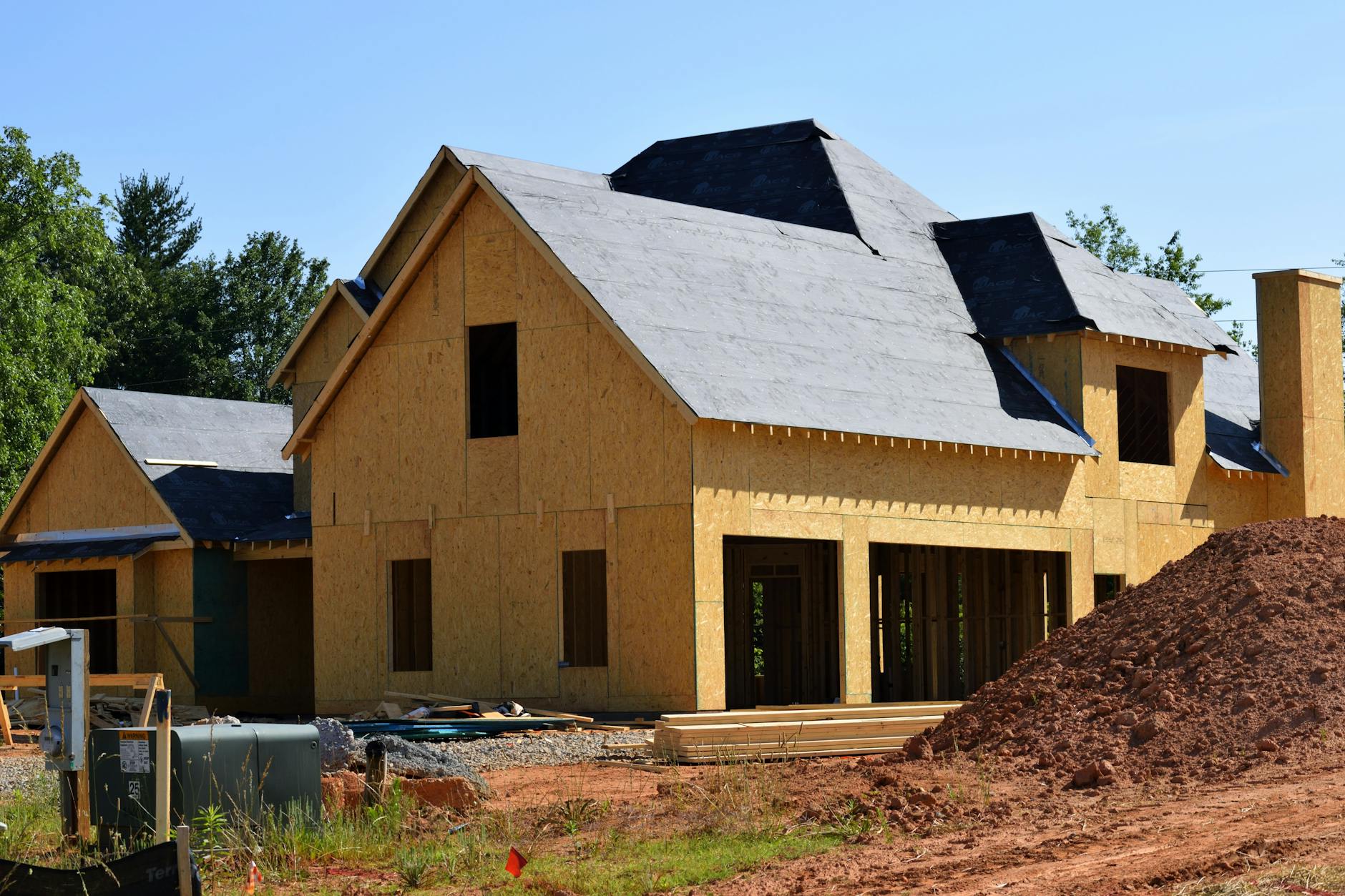
A kitchen remodel can look "simple" on paper, then your demo day exposes an older floor, a soffit, or duct wrap you didn't expect. That's the moment many Columbus homeowners realize the remodel isn't just cabinets and countertops, it's also risk management, scheduling, permits, and sometimes coordinating with asbestos abatement contractors.
If you're choosing Columbus contractors for your kitchen remodel, the right decision isn't "who has the best photos." It's who can give you a clear scope, a realistic sequence of work, and predictable communication when the house surprises you. In our Columbus and Central Ohio projects, the difference between a smooth remodel and a stressful one is usually decided before demolition starts.
This guide walks you through how we recommend evaluating contractors, how bids should be structured, what timelines typically hinge on, and how to handle older-home hazards without stalling the entire project.
Start with the Real Scope, Not the Pinterest Scope
Most kitchen remodel problems come from a scope that's written for inspiration, not construction. A contractor can't price, schedule, or warranty a "vibe." They need a defined set of decisions.
Before you collect bids, pin down three things that control almost everything else: layout, utilities, and level of finish.
1) Layout changes (or not).
Keeping the sink, range, and fridge in the same locations reduces plumbing, electrical, and patch work. Moving any of them changes the trade sequencing and increases the chance you'll open walls.
2) Utilities you're touching.
A kitchen remodel often triggers:
- Electrical updates (circuits, GFCI protection, lighting layout)
- Plumbing changes (supply lines, drains, venting)
- HVAC adjustments (returns, supply runs, hood venting)
- Gas work (if applicable)
The contractor you hire should be comfortable managing mechanical trades and inspections, not "calling a guy" at the last minute.
3) Finish level.
There's a big difference between stock cabinets and custom, laminate and stone, basic can lights and layered lighting, builder-grade paint and premium wall prep. Finish selections drive lead times, which drive the schedule.
If you want a bid that you can actually compare, give each contractor the same information:
- A simple sketch of the current layout and the target layout
- Photos of the kitchen and adjacent spaces
- A list of must-haves (island size, pantry storage, seating count)
- Any non-negotiables (keep the hardwoods, preserve a doorway, etc.)
A good Columbus kitchen contractor will turn that into a written scope that reads like a checklist. That scope is what protects you from price creep later.
A Practical Decision Framework for Choosing Columbus Contractors
You don't need ten bids. You need two or three well-documented bids you can interrogate.

Here's the decision framework we give homeowners who want to choose well, not just choose fast.
Choose a Design-Build Style Team If You Need Help Defining the Plan
Pick a contractor who can guide layout decisions, material choices, and sequencing if you're still answering basic questions like:
- Should we open the wall to the dining room?
- Can we move the sink to the island?
- Where should the hood vent go?
Kitchens are systems. Layout choices affect structure, venting, electrical load, and lighting. A contractor who can think across those systems will save you rework.
Choose a Build-Only Contractor If Your Plans Are Already Locked
If you have finalized drawings, fixture selections, and a clear scope, a build-focused general contractor can execute efficiently.
Even then, insist on a contractor who will:
- Pull permits when required
- Coordinate inspections
- Provide a sequencing plan, not just a start date
If a bid is basically "demo, install cabinets, done," it's not a kitchen plan. It's a placeholder.
Choose the Contractor Who Explains Unknowns, Not the One Who Pretends They Don't Exist
Older homes in Columbus, Upper Arlington, Bexley, Clintonville, Grandview Heights, and parts of Worthington often hide surprises behind walls and under floors. The best contractors acknowledge that and build a plan for it.
Look for language like:
- "If we find X, here is how we'll handle it."
- "We'll verify framing direction before ordering the beam."
- "We'll open a small exploratory section to confirm the vent route."
A contractor who never mentions contingencies is either inexperienced or selling you what you want to hear.
What a Kitchen Remodel Bid Should Include (so You Can Compare Apples to Apples)
A professional estimate should feel boring. That's a compliment.
In our process, we aim for a written quote that spells out exactly what's included, what's excluded, and what assumptions the price depends on.
At minimum, your kitchen remodel bid should include:
- Scope line items: demolition, framing, drywall, trim, paint, flooring, cabinets, countertops, tile, plumbing, electrical, HVAC adjustments, finish hardware
- Allowances (if used): clear allowance amounts for cabinets, countertops, plumbing fixtures, lighting, tile, and hardware
- Schedule outline: a rough sequence with major milestones (demo complete, rough-in inspections, cabinets set, countertops template, finish inspections)
- Permit responsibility: who pulls permits and which ones are expected
- Protection and clean-up: dust control approach, floor protection, daily clean expectations
- Change order process: how pricing is approved before work proceeds
Red Flags We See in Columbus Kitchen Bids
Some warning signs are subtle but expensive:
- A single lump sum with no detail. You can't manage what you can't see.
- Allowances that are obviously low. This is one of the most common ways a "cheap" bid becomes the most expensive project.
- No mention of inspections. In many projects, inspections are not optional. A contractor should be comfortable working to code and scheduling approvals.
- Vague language around mechanical work. Kitchens live and die by electrical and plumbing execution.
If you're also considering a commercial build-out, the evaluation logic is similar, scope clarity and project management matter more than a glossy portfolio. This is the same mindset we cover in how to evaluate commercial general contractors in Columbus.
Worked Example: Comparing Two Kitchen Contractor Bids (and Why the Higher One Can Be Safer)
Here's a realistic comparison we see in Columbus. This is not a "case study" with numbers, it's a bid-structure example so you can spot the difference.

Your project:
- 1990s kitchen in Hilliard
- Keep general layout, but remove a soffit
- New cabinets, new countertops, new tile backsplash
- Add under-cabinet lighting and improve ceiling lighting
- Replace sink and faucet
Bid a (Lower Price, Higher Risk)
- Demo and disposal (no details)
- "Electrical as needed"
- Cabinets install
- Countertops by owner's vendor
- Tile backsplash
- Paint
What's missing:
- How soffit removal is handled (is there ductwork inside, is it structural, what repairs are included)
- A defined electrical scope (new circuits, outlet layout, under-cabinet wiring path)
- Who coordinates countertop template timing with cabinet install
- Permit and inspection language
- Dust control plan (kitchen remodels can invade the entire first floor)
Bid A might be fine if everything goes perfectly. Kitchens rarely do.
Bid B (Higher Price, Clearer Outcome)
- Detailed demo plan including protection and haul-away
- Soffit removal with an allowance for drywall repair extent (clear assumptions)
- Electrical scope: under-cabinet lighting, new recessed layout, dedicated small-appliance circuits if needed, new GFCI protection where required
- Plumbing scope: new shutoffs, sink/faucet install, reconnects
- Cabinet install including scribe/fill details and trim
- Countertop coordination: template date after cabinet set, install window, sink cut-out responsibilities
- Backsplash tile scope with grout type and termination details
- Paint scope specifying prep level and which surfaces
- Permit responsibility spelled out
Bid B reads like the contractor has done this exact sequence many times. The price may be higher, but you're buying fewer surprises, fewer delays, and fewer "that wasn't included" moments.
If you're comparing bids, ask each contractor one direct question:
- "Walk me through the first ten working days, and tell me what could change that schedule."
A contractor who can answer clearly is usually the contractor who will manage the project well.
Where Asbestos Abatement Contractors Fit Into a Columbus Kitchen Remodel
Many homeowners only think about asbestos in very old homes. In reality, asbestos-containing materials were used in a range of building products for decades, and kitchens can include materials that raise questions during demolition.
A kitchen remodel becomes complicated when a contractor treats potential hazards casually. The right move is to slow down, identify what you're dealing with, then coordinate the correct next step.
Common Remodel Triggers That Should Make You Pause
We're not here to diagnose materials in an article. That requires sampling and qualified evaluation.
We are here to point out situations where you should stop and verify before you tear out:
- Old resilient flooring and adhesives under vinyl or tile
- Older wall and ceiling textures
- Certain legacy insulation products or duct wrap
- Older plaster and patch systems that may include suspect components
Ohio follows federal asbestos rules for many contexts, and safe handling is not a DIY guessing game. The U.S. Environmental Protection Agency provides a clear overview of asbestos risks and why disturbance matters: EPA asbestos overview and guidance.
How the Coordination Typically Works
If asbestos is suspected or confirmed, a well-run project has clear lanes.
In many cases, the sequence looks like this:
- Stop demo in the affected area. Protect the rest of the home and avoid spreading dust.
- Arrange evaluation and, if needed, professional removal. This is where asbestos abatement contractors may be required.
- Document clearance and disposal requirements. The abatement team handles their scope, then the remodel can resume.
- Re-sequence the schedule. A contractor who is managing the job properly will update timelines and trade dates.
The point is not to "add another vendor." The point is to keep your remodel safe, legal, and insurable.
What to Ask Before You Hire Anyone for Abatement
If your kitchen remodel is in an older Columbus home, ask the general contractor how they handle asbestos risk up front.
Then, if abatement is needed, ask the abatement company:
- Are you licensed for asbestos work in Ohio, and can you show proof?
- What containment method will you use for this scope?
- How will you protect adjacent spaces and HVAC returns?
- How will waste be packaged and disposed of?
- What documentation do we receive at the end of the work?
A remodel contractor should not pressure you to "just get it out." They should help you coordinate the right scope with the right specialty contractor, then get your kitchen back on track.
Timelines: What Actually Drives the Schedule in Central Ohio
Homeowners often ask for a single duration. A kitchen remodel timeline is more like a chain, and the schedule is only as strong as the slowest link.
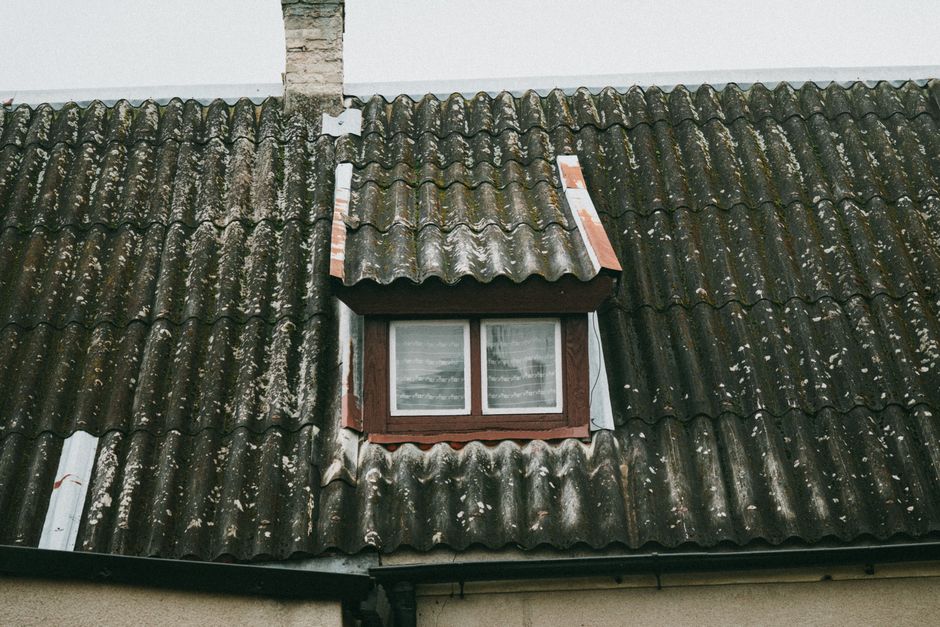
In Columbus, Dublin, Powell, New Albany, and Westerville, the biggest schedule drivers we see are:
- Material lead times: cabinets, specialty hardware, custom doors, certain tile lines, and countertops
- Inspection timing: rough electrical and plumbing approvals can control the pace
- Scope creep: adding a window, moving a range, changing cabinet configuration after ordering
- Discovery work: framing corrections, hidden plumbing issues, or hazardous materials that require a specialized plan
A Realistic Sequence (High Level)
Every home is different, but most kitchens follow a pattern:
- Pre-construction planning, selections, and ordering
- Site protection and demolition
- Framing and any structural changes
- Rough electrical, plumbing, and HVAC
- Rough inspections
- Drywall, prep, and paint base coats
- Flooring (depending on system and cabinet plan)
- Cabinet installation
- Countertop template and install
- Backsplash, trim, finish carpentry
- Plumbing and electrical trim-out (fixtures, devices, appliances)
- Punch list and final clean
The contractor you hire should be able to tell you where your project sits in that sequence and what you can do to prevent delays, usually by locking selections earlier.
How We Recommend Vetting Columbus Kitchen Remodel Contractors
A good contractor interview is structured. You're not trying to catch someone in a trick question. You're trying to confirm they can run a clean project, to code, with a clear plan.
Here's the vetting checklist we use with clients throughout Columbus and Central Ohio.
Licensing, Insurance, and Clear Responsibility
Ask directly:
- Are you licensed in Ohio for the work you perform and manage?
- Do you carry general liability and workers' compensation?
- Who is my day-to-day point of contact?
You want one accountable lead for scheduling, trade coordination, and communication. That's the core of general contracting.
If you want a deeper look at how a well-managed project is structured, see our approach to general contracting in Columbus, Ohio.
Process Clarity (the Part Most People Skip)
Ask the contractor to describe their process from walk-through to final walk-through.
Listen for specifics:
- How they build the scope
- How they handle allowances
- How change orders are priced and approved
- How often you'll receive schedule updates
- How they protect adjacent rooms from dust and foot traffic
A contractor who can't describe a repeatable process usually runs projects reactively.
Communication and Site Standards
Kitchens are invasive. Your contractor should have a plan to keep your home livable.
Confirm basics:
- Work hours and access
- Daily clean-up expectations
- Trash and dumpster placement
- How they protect floors, stairs, and adjacent rooms
- How they handle appliance downtime and temporary sinks (if needed)
These details won't show up in a portfolio photo, but they decide how the project feels day to day.
Warranty and Post-Project Support
Ask what happens after the final payment.
A professional contractor will:
- Walk the project with you
- Create a punch list
- Close permits if applicable
- Stay reachable for legitimate warranty issues
A kitchen remodel is too expensive to accept "we're done, good luck."
Cost Planning Without Getting Burned by Allowances
Most homeowners want a number early, and we understand why. The key is to separate rough budgeting from a firm price.
A responsible contractor will often provide:
- A budget range early, based on scope and finish level
- A written estimate after measurements and selections are clarified
The Allowance Trap (and How to Avoid It)
Allowances are not automatically bad. They're useful when you haven't picked every finish.
They become a problem when they're used to make a bid look artificially low.
Use this quick test:
- If the allowance doesn't match what you actually plan to buy, it's not an allowance, it's a future change order.
Ask for allowances to be listed by category, not bundled. A single line called "kitchen finishes" hides too much.
Common allowance categories:
- Cabinets
- Countertops
- Plumbing fixtures
- Lighting fixtures
- Tile and grout
- Flooring material
Your goal is a budget you can trust before you order materials and commit to dates.
Choose a Team That Can Finish, Not Just Start
A kitchen remodel is a project management job as much as it is a carpentry job. Choosing the right Columbus contractors means you're choosing who will protect your timeline, coordinate trades, handle inspections, and keep the house functioning while the heart of it is under construction.
If your home is older, also choose a team that won't gamble with health and compliance. If asbestos becomes part of the picture, the right move is coordinated, documented work with qualified asbestos abatement contractors, then a clean handoff back to the remodel schedule.
Our team at Christopher Construction serves Columbus and Central Ohio, including Dublin, Powell, Upper Arlington, Bexley, Grandview Heights, Worthington, Hilliard, and Westerville. If you're planning a kitchen remodel, call (614) 905-4521 to schedule a free walk-through. We'll talk scope, timeline, and budget, then put a clear written estimate in your hands with no pressure and no surprises.
Temas
- asbestos abatement contractors