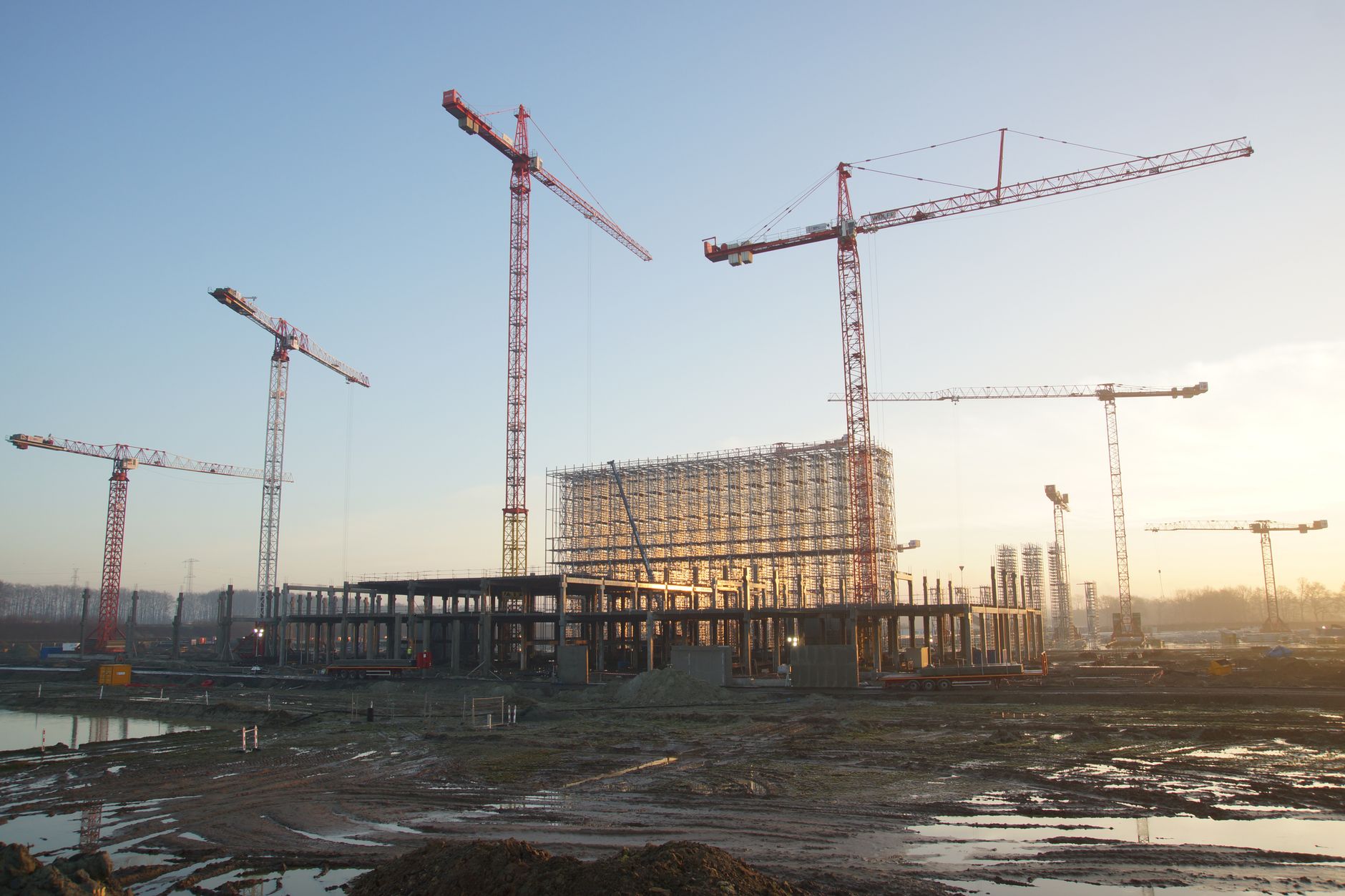
A surprising number of commercial projects in Columbus go sideways for a simple reason, the "lowest bid" wasn't the same scope, schedule, or responsibility. The price looked right on paper, then change orders, inspection issues, and delays started stacking up.
If you're searching commercial general contractors near me, you're not trying to learn what a GC is. You're trying to pick a team you can trust with your timeline, your permits, your occupancy date, and your budget. This guide shows how we evaluate reliability on commercial jobs across Columbus and Central Ohio, what to ask, what to verify, and how to compare bids so you're making a real apples-to-apples decision.
Start with the Project Reality, Not the Company List
Reliability in commercial construction isn't a personality trait. It's a match between a contractor's systems and your project's risk.
Before you call anyone, get your own "project facts" down in writing. It helps you get accurate pricing and it immediately filters out contractors who don't manage details.
At minimum, define:
- Use type and occupancy: office, retail, restaurant, medical, warehouse, mixed use.
- Current condition: first-gen build-out, second-gen space, remodel in an operating business, or ground-up.
- Critical dates: lease start, equipment delivery, hiring and training, targeted opening.
- Scope boundaries: who is handling design, landlord work, utilities, signage, low-voltage, kitchen equipment, and furniture.
- Constraints: night work, noise limits, shared parking, security access, dumpster location.
In our Columbus commercial work, the biggest reliability problems show up when these facts aren't locked early. Contractors guess, owners assume, and both sides get surprised later.
Choose the Right "Lane" of Contractor
Not every general contractor is built for every kind of commercial job. You'll get better outcomes by selecting for the realities of your project.
Choose a contractor with strong occupied-space controls if you are:
- Remodeling a restaurant that needs to stay partially open
- Updating offices while tenants are working
- Working in a medical or professional setting with strict access rules
Choose a contractor with strong code and inspection coordination if you are:
- Changing use type (example, retail to restaurant)
- Adding grease ducting, commercial hoods, or major mechanical changes
- Modifying egress paths, fire ratings, or restroom counts
Choose a contractor with strong preconstruction planning if you are:
- Working with an aggressive opening date
- Coordinating owner-furnished equipment with long lead times
- Building from shell to a finished, code-ready space
We serve Columbus, Dublin, Powell, Upper Arlington, Grandview Heights, Worthington, Bexley, Hilliard, and nearby areas, and these three "lanes" cover most of the commercial calls we get.
A Reliability Scorecard You Can Use in One Walk-Through
Most owners default to, "Do I like them?" That matters, but it's not enough. What you want is a contractor who can document scope, run a schedule, manage subs, and close out cleanly.

Here's a simple scorecard we recommend using during calls and walk-throughs. You don't need to ask every question like an interrogation. The point is to listen for specific, process-based answers.
1) Scope Control (Prevents Change-Order Chaos)
A reliable GC explains what is included, what is excluded, and what is an allowance.
Look for:
- A written scope that breaks work into logical divisions (demo, framing, HVAC, electrical, plumbing, finishes)
- Clear notes on what you are providing (fixtures, equipment, signage, IT)
- Clarification on hidden conditions (above ceilings, behind walls, under slab)
Red flag:
- A one-page number with vague descriptions like "build-out per plan" and no exclusions.
2) Schedule Management (Protects Your Opening Date)
Commercial schedules fail most often at transitions, inspections, and lead times.
Ask how they build schedules around:
- Permit and plan review time
- Long-lead materials (storefront glass, RTUs, cabinetry, specialty lighting)
- Rough-in inspection sequencing (framing, plumbing, electrical, mechanical)
- Punch list and closeout (finals, as-builts, O&M manuals if required)
Red flag:
- "We'll move fast" without showing how they sequence the work.
3) Subcontractor Control (the Hidden Driver of Quality)
Your GC is only as reliable as their subs and how they manage them.
Look for:
- A clear plan for daily site supervision
- Consistent subs they use in Columbus for mechanical, electrical, plumbing, drywall, flooring
- A method for QC, not just "we'll keep an eye on it"
Red flag:
- They "shop" every trade to whoever is cheapest that week.
4) Code Readiness (Permits, Inspections, and Occupancy)
Columbus commercial work lives or dies on passing inspections and meeting the requirements tied to your use.
A credible contractor will talk comfortably about:
- Permitting approach and who pulls permits
- Inspection coordination and sequencing
- Documentation for closeout
If you want to verify how commercial code is administered locally, you can reference the City of Columbus Building and Zoning Services page and related permit resources.
Red flag:
- They downplay permits or suggest skipping them.
5) Insurance and License (Basic, Non-Negotiable)
Commercial owners and landlords commonly require proof of coverage before access is granted.
Verify:
- General liability coverage
- Workers' compensation coverage
- Licensing applicable in Ohio for the scope being contracted
We're fully licensed in Ohio and carry general liability and workers' compensation on our jobs, because that is table stakes for responsible commercial work.
A Worked Example: Comparing Two Bids That Look Similar (but Aren't)
Below is a real-world comparison framework we use, written as a scenario you can apply immediately. This is the difference between choosing a reliable GC and choosing a number.
Scenario: 2,400 Sq Ft Restaurant Refresh in Columbus
You're updating a second-gen restaurant space near Grandview Heights. Dining room refresh, new bar finishes, restroom updates, lighting changes, and a small kitchen rework.
You get two bids.
Bid A is lower.
Bid B is higher.
Both claim they can hit your date.
Here's how to evaluate what you're actually buying.
Step 1: Normalize the Scope
Make each bidder fill in the same scope checklist. If they won't, that is your answer.
Scope items that commonly get "assumed away" in restaurant remodels:
- Demo haul-off and dumpster fees
- After-hours noise and dust controls
- Fire alarm and sprinkler modifications (if required)
- Grease interceptor or plumbing changes
- Electrical panel capacity and new circuits
- Hood, make-up air, or exhaust changes
- Flooring transitions and subfloor prep
- Health department coordination if applicable to your situation
If one contractor lists these as allowances or exclusions and the other silently assumes they are "not needed," the lower number is often just missing work.
Step 2: Compare Allowances Like You Compare Products
Allowances are not bad. Unclear allowances are bad.
Ask each bidder to list allowances with:
- Quantity or coverage (square feet, fixture counts)
- Unit cost assumptions
- Labor included or not
Step 3: Stress-Test the Schedule with Three Questions
Reliable contractors can answer these without guessing.
- What are the first five days on site? (mobilization, protection, demo plan, material staging)
- What are the inspection gates? (rough inspections, above-ceiling, finals)
- What items must be ordered immediately? (long-lead materials)
If Bid A has a shorter schedule but no inspection gates or lead-time ordering plan, you're not looking at a real schedule.
Step 4: Assign Risk Where It Belongs
A reliable GC makes it clear who owns which risks.
Examples:
- Hidden conditions behind walls are often unknown, but the process for dealing with them should be clear.
- Landlord-delivered items (HVAC units, roof penetrations, storefront work) should be scheduled and confirmed.
- Owner-furnished equipment should be coordinated early with rough-ins and cut sheets.
If Bid B spells this out and Bid A does not, Bid B is often the safer choice, even before you compare numbers.
This is the core point: reliability is visible in the paperwork and the planning, not in the sales pitch.
If you're specifically planning a restaurant build-out, our related guide, Custom restaurant construction in Columbus from concept to code-ready space, breaks down the typical stages and where timelines get won or lost.
What to Ask Before You Sign (and What to Put in Writing)
Once you have a short list, shift from "can you do it?" to "how will this be managed?" The contract should reflect the answers.
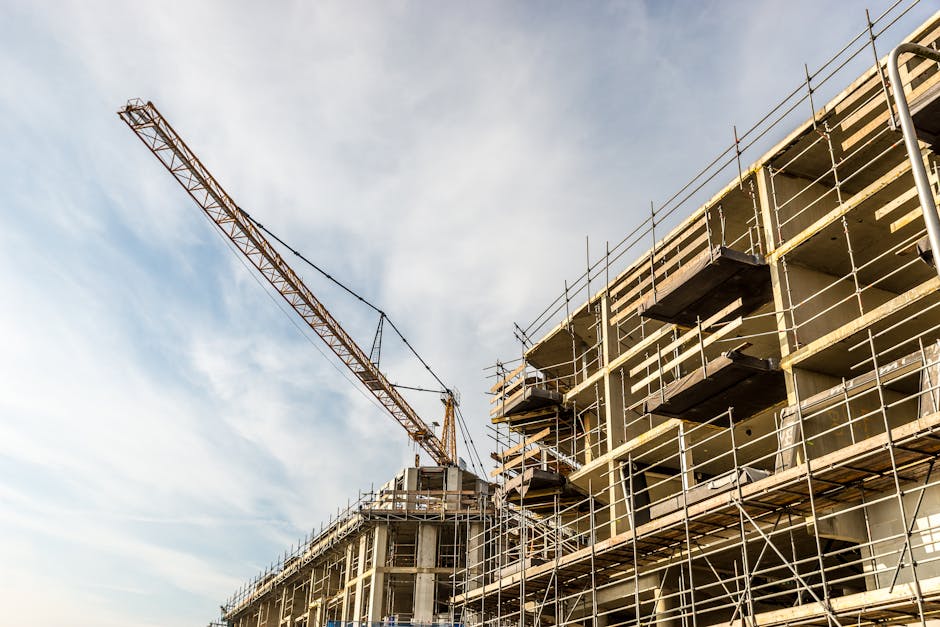
Questions That Reveal Whether a GC Is Built for Commercial Work
Ask these in plain language and listen for concrete specifics.
- Who is my day-to-day contact, and who is on site? You want a clear chain of communication.
- How often do you provide schedule updates? Weekly updates are common on active commercial sites.
- How do you handle changes? There should be a written change order process, with pricing and time impact documented.
- How do you protect an occupied building? Dust control, negative air if needed, floor protection, trash routes, daily cleanup.
- What do you need from me to keep the project moving? Reliable contractors will tell you approvals, selections, and lead time decisions.
Contract and Documentation Basics (Keep It Practical)
We won't give legal advice, but these are practical items to discuss with your attorney or broker if you have one.
Make sure your agreement defines:
- Clear scope, drawings, and specifications that govern
- Payment schedule tied to milestones
- Change order process and documentation
- Schedule expectations, including what triggers extensions
- Warranty and closeout requirements
If your space is in the City of Columbus, permitting and inspections will be part of the reality on many commercial remodels. A contractor who treats permitting as "optional" is not protecting you.
Common Columbus Commercial Pitfalls (and How Reliable Gcs Avoid Them)
Central Ohio has its own rhythms. Weather affects exterior work. Downtown access affects deliveries. Suburban retail centers have landlord rules. A reliable GC anticipates these early.
Permit and Plan Review Timing
Permitting timelines vary based on scope and completeness of the submission. The practical takeaway is simple, permit time is not "free time." It needs to be part of your plan.
We typically see better outcomes when owners align early on:
- Who is responsible for drawings and engineering
- Who is pulling permits
- What information is needed from landlords or property managers
Long-Lead Items That Quietly Break Schedules
In Columbus commercial interiors, these items frequently drive the critical path:
- Storefront and glass
- Specialty lighting and controls
- Mechanical equipment
- Custom millwork
- Flooring that requires acclimation or specific adhesives
Reliable GCs call these out early and build procurement into the schedule. Unreliable GCs discover them after demo, when you have no room to maneuver.
Renovating Without Confirming Existing Conditions
Second-gen spaces are full of surprises. We've opened walls to find abandoned plumbing, undersized electrical, and framing that doesn't match drawings.
A reliable approach includes:
- Above-ceiling investigations where feasible
- Early MEP (mechanical, electrical, plumbing) review
- Clear language in the estimate about unknowns and how they will be addressed
Working in Operating Spaces
If you're remodeling an office while staff is present, or refreshing a restaurant with a tight shutdown window, reliability looks like discipline.
That includes:
- Site protection and daily cleanup
- Clear end-of-day shutdown procedures
- Noise and dust controls
- A plan for inspections that won't disrupt operations
For restaurant owners, our remodel-focused resource, expert restaurant remodeling tips for Columbus eateries, covers planning details that help you reopen on schedule.
How We Run Commercial Projects in Columbus (a Clear, Predictable Path)
Owners and property managers don't need more promises. You need a process you can track.

Our commercial work across Columbus and Central Ohio follows a simple structure.
1) Call Us
Tell us what you're building, where it's located, and the date you're working toward.
We'll ask the questions that affect cost and timing right away, scope boundaries, existing conditions, and any landlord constraints.
2) Request an Estimate
We schedule a walk-through of the space.
You'll get straightforward feedback on feasibility, likely permit needs, and what information we need to price it accurately.
3) Measure and Quote
We take measurements and put a written estimate together.
We'll review materials, finishes, and schedule expectations so you're not guessing what's included.
4) Build
You'll know who is on-site and what's happening.
We coordinate trades, manage inspections, and keep the job moving, so your project finishes to code and ready for use.
Next Step: Get a Walk-Through and a Written Scope
If you're comparing commercial general contractors near me in Columbus, the fastest way to find the reliable options is to schedule a walk-through and insist on a written scope you can actually compare.
Christopher Construction handles commercial construction and remodels across Columbus, Dublin, Powell, Upper Arlington, Worthington, Bexley, Grandview Heights, and nearby Central Ohio areas.
Call (614) 905-4521 to schedule a free walk-through, or reach out through our contact form. We'll talk scope, timeline, and budget range, then put a clear written estimate in your hands.
Temas
- commercial general contractors near me


