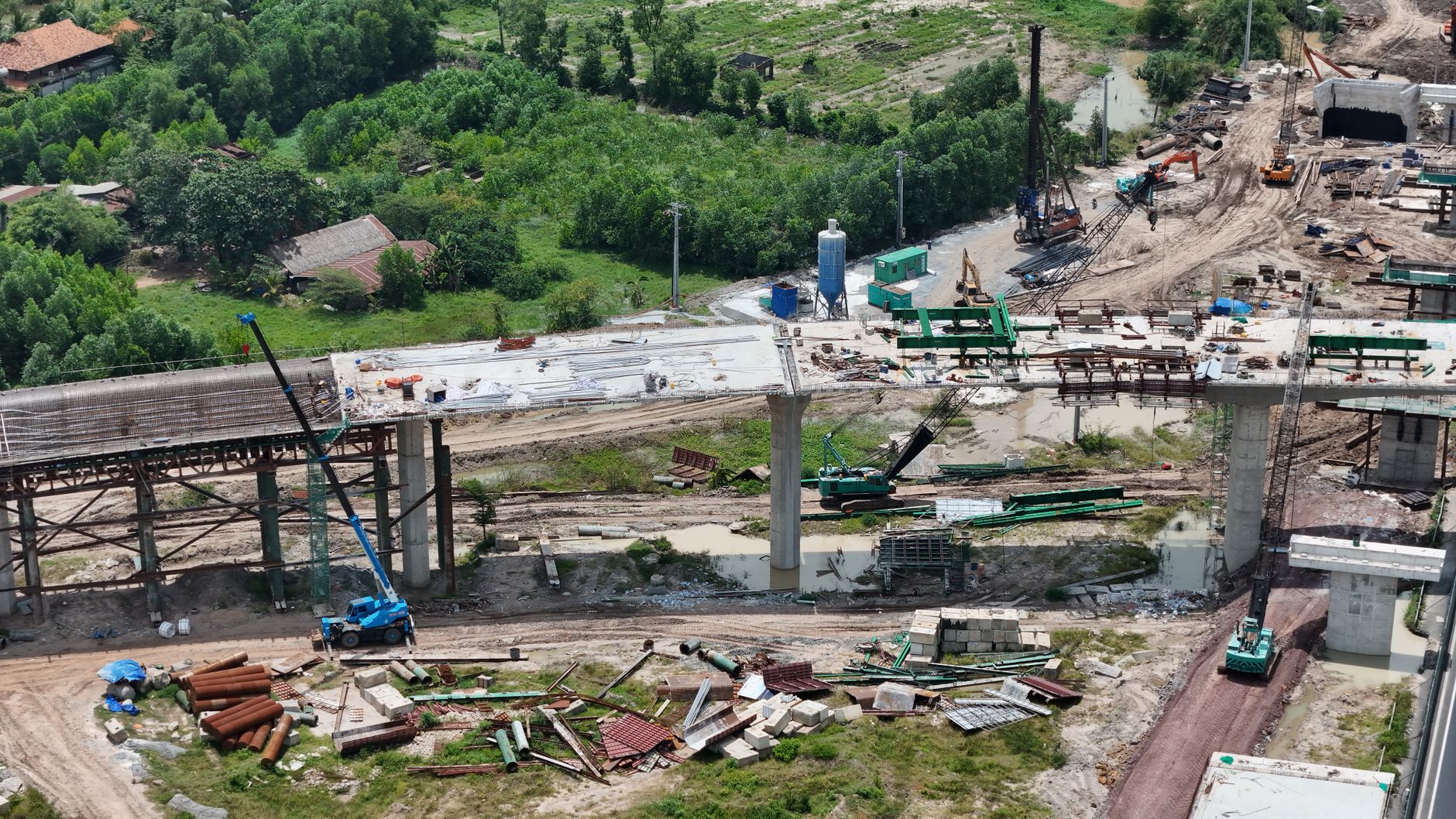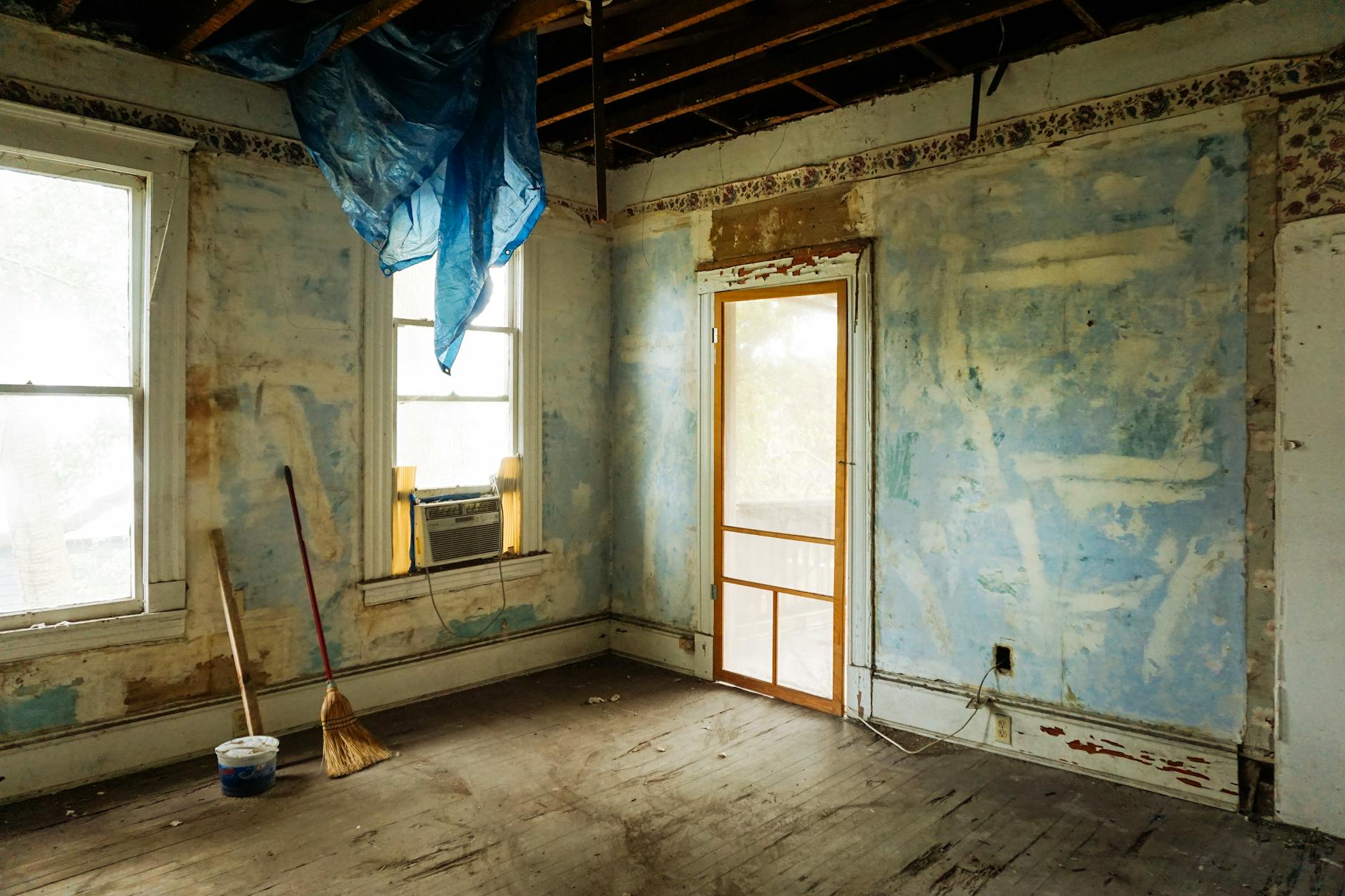
You walk a property in Columbus, the kind that could be a rental, a storefront, or a live-work space. The showing goes well until you notice the soft spot at the back door, a stained ceiling tile, and outlets that look older than the panel. If you're evaluating a commercial property for sale, those "small" issues are rarely small, and the smartest renovation plan is the one that protects value while keeping your timeline realistic.
We remodel, build additions, and handle new construction across Columbus and Central Ohio, residential and commercial. This guide is the practical playbook we use with owners who want fewer surprises, clearer decisions, and a renovation scope that matches the property's role, whether it's your home, your business, or an investment.
Start with the Renovations That Control Risk (Not the Ones That Look Good)
Most renovation regret starts the same way, money goes into finishes before the building is stabilized. In Columbus, the risk multipliers are predictable, moisture, older housing stock, mixed-era renovations, and winter-to-summer swings that punish weak building envelopes.
Before you pick tile, pick your priorities. We push clients to address "failure points" first because they are the most expensive to ignore later and the most likely to derail a schedule.
The High-Impact "Don't Skip" List
These aren't glamorous, but they protect the structure, prevent repeat work, and reduce downstream change orders.
- Roofing and roof penetrations, leaks rarely stay contained, and interior repairs are wasted if water is still coming in.
- Gutters, grading, and drainage, water management is a foundation issue as much as a landscape issue.
- Foundation movement, cracks, and signs of settlement, you don't want to build walls and cabinetry on top of an unresolved base.
- Plumbing supply and drain condition, older lines can create hidden damage behind finished surfaces.
- Electrical panel capacity and safety, adding circuits for a new kitchen, bathroom, or tenant build-out often exposes limitations.
- Insulation and air sealing, comfort issues and high energy bills can be "built in" for another decade if you cover them up with new drywall.
If the property is commercial or mixed-use, fire safety and egress become even more critical. Requirements can change based on use and occupancy, and build-out plans can trigger permit reviews that force upgrades.
A Quick Columbus Reality Check
In many Central Ohio properties we walk, the biggest budget threats are not the finishes. They are concealed conditions, water intrusion, and outdated mechanicals that no longer match the way you plan to use the space.
The best early spend is often investigative, a careful walk-through, targeted openings where appropriate, and a written scope that separates "required" from "optional." That is how you keep control.
Commercial Property for Sale Renovations: Decide Like an Owner, Not a Shopper
A renovation plan looks very different depending on what you're trying to do with the asset. A homeowner renovating for long-term living can justify different upgrades than an owner preparing a building for tenants, resale, or a new business opening.
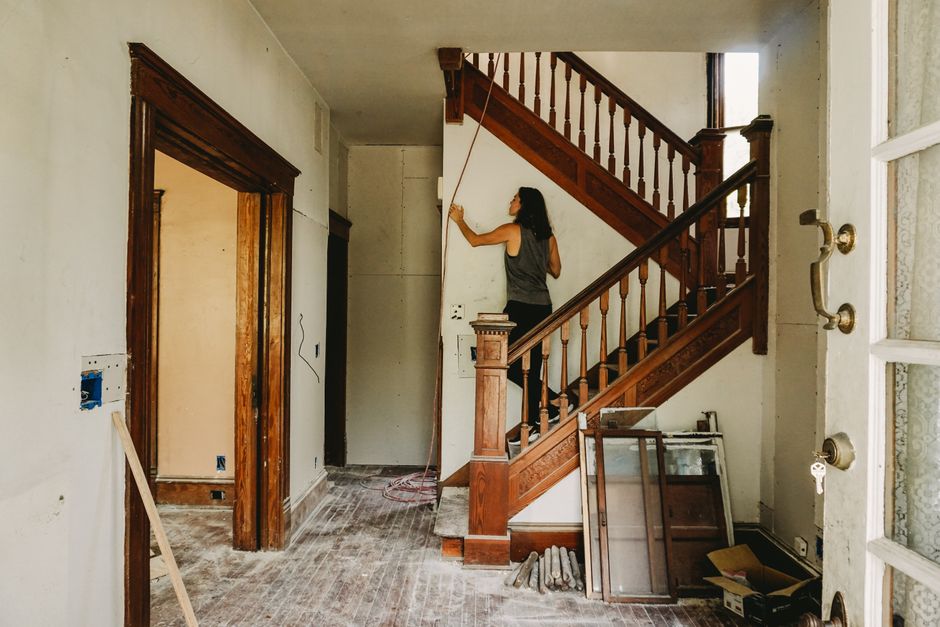
Here is the decision framework we use to keep choices aligned with the property's purpose.
Choose Your Renovation Lane
Lane A: Stability and Compliance First (Most Commercial and Investment Properties)
Choose this lane if you need predictable approvals, fewer operational headaches, and fewer inspection surprises.
- Address life-safety items early (egress, lighting, fire separation where applicable).
- Prioritize durable, repairable materials.
- Upgrade systems to match intended use (kitchen loads, HVAC zones, restroom capacity).
Lane B: Tenant-Ready, Marketable, but Not Overbuilt
Choose this lane if the goal is to lease quickly or sell without leaving obvious objections on the table.
- Keep layouts flexible.
- Select finishes that are neutral and readily available.
- Avoid custom work that only fits one niche tenant.
Lane C: Brand-Driven Remodel (Restaurants, Retail, Client-Facing Spaces)
Choose this lane if customer experience drives revenue.
- Spend where customers notice, entry, service counter, lighting, restrooms, acoustics.
- Build the back-of-house to code and to last, kitchens, storage, mechanical access.
- Protect schedule with early selections and lead-time planning.
If your property is headed toward a restaurant use, the scope and permitting path can change quickly. Our team does restaurant remodels and ground-up builds across Columbus, and we outline what tends to slow projects down in restaurant construction services in Columbus and how to keep build-outs on schedule.
The Trade-Off Most Owners Miss: "Comparable" Versus "Convertible"
Owners often chase "comparable" upgrades (what the nicest nearby property has). That can make sense for a home you will live in, but commercial and investment properties often benefit more from "convertible" upgrades.
Convertible upgrades are improvements that expand the set of future uses.
- Adding electrical capacity and clean distribution panels.
- Improving lighting and ceiling access.
- Creating a restroom layout that can adapt to different tenant needs.
- Leaving wall locations and chases that keep future reconfiguration affordable.
This approach matters in Columbus neighborhoods where use patterns shift. A corridor that leans retail today can lean office or service tomorrow. Renovations that keep the building adaptable tend to hold value better.
Plan Your Budget Around Scope, Not Line Items
Online cost ranges are usually too broad to be helpful because they ignore the single variable that controls most budgets, scope clarity.
We see projects go off budget for three reasons that are fixable.
- The scope is described in finishes, not in assemblies and system decisions.
- Selections are made late, causing substitutions and labor inefficiencies.
- Unknown conditions are discovered after work starts, and the contingency was never set aside.
A Worked Example: Turning a "Simple Remodel" Into a Controlled Scope
Here is a realistic planning example based on how Columbus projects typically evolve. This is not a price quote, it's a method you can use to control decisions.
Scenario: You're buying a small building that will be office on the first floor, and storage or light work space in the back. The listing looks clean, but the building is older and has had piecemeal updates.
Initial wish list: New flooring, paint, updated lighting, one restroom refresh.
What we do at the walk-through:
- Identify water risk points, roof edges, downspouts, grading, and signs of past leaks.
- Confirm basic electrical capacity for intended use, panel condition, and likely circuit additions.
- Check restroom ventilation and plumbing access.
- Look for indicators that the floor system or framing has been altered.
Scope becomes three tiers:
- Tier 1 (must-do to occupy confidently): Fix any active water intrusion, correct unsafe electrical conditions, address restroom ventilation, repair any damaged subfloor.
- Tier 2 (should-do to avoid repeating work): Upgrade lighting layout while ceilings are accessible, replace failing windows or door thresholds, patch and level floors before finish flooring.
- Tier 3 (nice-to-have upgrades): Feature wall, upgraded fixtures, built-ins.
Why this matters:
- Tier 1 protects you from surprises that stop occupancy.
- Tier 2 prevents paying twice, you don't want to install flooring and then open it up to fix subfloor or wiring.
- Tier 3 stays flexible if a hidden condition appears.
This method keeps the project financeable, schedulable, and easy to communicate to lenders, partners, or tenants.
Contingency: Treat It as a Line Item, Not a Vibe
Older properties in Columbus, Clintonville, Grandview Heights, Bexley, and parts of Upper Arlington can hide legacy work behind finished surfaces. Even newer spaces in Dublin, Powell, or New Albany can reveal shortcuts from prior renovations.
Set a contingency that matches the risk profile of the building and the invasiveness of the scope.
- Light cosmetic work with no layout changes, lower contingency.
- Any project that moves plumbing, opens walls, or touches structural elements, higher contingency.
Your contractor should be transparent about where unknowns live in the scope and how they'll be handled if found.
Get the Timeline Right: What Actually Causes Delays in Columbus
A renovation timeline fails most often at the handoffs, approvals, selections, and lead times. Labor matters, but planning matters more.

In Columbus and surrounding suburbs, a predictable timeline comes from making key decisions early and aligning them with inspections and material availability.
The Scheduling Sequence That Prevents Backtracking
A typical construction flow, adjusted per project, looks like this:
- Finalize scope and drawings (if needed), then confirm what requires permits.
- Order long-lead materials early, cabinetry, windows, specialty lighting, commercial fixtures.
- Demolition and rough framing.
- Mechanical rough-ins (plumbing, electrical, HVAC), then rough inspections.
- Insulation and air sealing where applicable.
- Drywall, prime, and interior prep.
- Finish carpentry, cabinets, tile, flooring.
- Paint, fixtures, final electrical and plumbing trim.
- Final inspections, punch list, final clean.
Problems start when finish selections are not locked before rough-ins. A simple example is a vanity size change that shifts plumbing, which shifts wall framing, which shifts tile layout.
Lead Times: the Hidden Schedule Driver
Many delays are material-driven. If you're renovating for a move-in, a lease date, or an opening day, treat procurement as part of construction.
We help clients avoid this by confirming selections early and setting clear decision deadlines. If you want to keep options open, we plan allowances with realistic availability, not "placeholder" products that disappear later.
Permitting and Code Compliance
Permit requirements depend on scope and property use. Commercial changes, especially those involving occupancy, egress, restrooms, or kitchens, can trigger broader reviews than owners expect.
If you're changing use or increasing capacity, plan for permitting early and keep flexibility in the schedule. A good contractor will help you understand what the city is likely to require for your specific project, and build the plan around it.
DIY vs Hiring a Contractor: a Practical Decision Framework
Some work is safe and cost-effective to do yourself. Some work is where DIY creates expensive rework, inspection issues, or safety problems.
We serve Columbus property owners who want one point of contact from walk-through to final clean. Still, we respect smart DIY where it fits.
Good DIY (If You're Honest About Your Time)
- Interior painting in stable, dry spaces.
- Basic hardware swaps and non-structural trim.
- Simple landscape cleanup and drainage improvements that do not change grading near the foundation (if you understand runoff consequences).
Usually Better Hired Out
- Anything that changes layout, load paths, or structural framing.
- Electrical panel work, new circuits, and service upgrades.
- Plumbing relocations and drain work.
- Tile showers and wet-area waterproofing.
- Roofing repairs and replacements.
These are the areas where errors tend to stay hidden until they become expensive.
The Middle Ground: Hire for the Risk, DIY for the Rest
A common approach is to hire for demolition strategy, framing, mechanicals, and waterproofing, then DIY paint and final hardware. That keeps the building safe and code-ready while still letting you control some labor cost.
If you want this hybrid approach, talk about it at the estimate stage. We can only schedule and warranty work properly if the handoffs are clear.
If your project is larger than a remodel, an addition, a major reconfiguration, or new construction, it helps to see what a full-service build process looks like. Our approach is laid out in how Columbus commercial construction projects are planned and managed.
Renovation Mistakes We See in Central Ohio (and How to Avoid Them)
Most mistakes are not about taste. They are about sequence, assumptions, and skipping the unglamorous parts.

Mistake 1: Designing Without Verifying Field Conditions
Owners plan around a floor plan that does not match the building. Walls shift, plumbing is not where you think, ceiling heights vary.
Avoid it by starting with a measured walk-through and verifying what is load-bearing, what is accessible, and what will need to be opened.
Mistake 2: Upgrading Finishes Without Fixing Moisture
Basements and lower levels in Columbus need moisture-safe construction. Finishing a basement without addressing moisture risks can lead to odors, damage, and repeat work.
Avoid it by dealing with drainage, sealing, and proper material choices first, then finishing.
Mistake 3: Underestimating Electrical Needs
Modern use patterns require more circuits, more lighting control, and more dedicated loads. Commercial spaces often need signage, equipment, and office loads that older panels were not designed to carry.
Avoid it by assessing capacity early and treating electrical as a system, not as isolated outlet adds.
Mistake 4: Changing Scope Midstream Without Resetting Cost and Schedule
Scope changes are normal. The problem is pretending they are free.
Avoid it by documenting changes, resetting the timeline, and keeping a running list of approvals. A clear written estimate and change process keeps relationships healthy.
Mistake 5: Chasing "Luxury" Instead of "Longevity"
Some materials look great on day one and fail quickly in high-use spaces. We guide clients toward finishes that fit the traffic level and maintenance reality.
Avoid it by selecting for wear resistance, repairability, and availability, especially in rentals and commercial spaces.
How We Run Renovations in Columbus: a Simple Process That Keeps You Informed
Good construction is not just workmanship. It is communication, sequencing, and clean project management.
Our process stays consistent across Columbus, Worthington, Hilliard, Gahanna, Reynoldsburg, Grove City, and the surrounding areas.
- Call us. Tell us what you're planning, and what the property needs to do for you.
- Request an estimate. We schedule a free walk-through and talk through priorities, risks, and timeline.
- Measure and quote. You get a clear written estimate with defined scope.
- Build. We manage the job site, keep you updated, and finish clean.
If you're early in the process, the most helpful next step is a walk-through. We can often tell you quickly which upgrades are straightforward, and which ones could change the budget.
FAQ
Should I Renovate Before Listing, or Sell As-Is?
If the property has visible issues that buyers will discount heavily (active leaks, obvious electrical concerns, failing flooring), targeted repairs often protect value. If the building needs major system upgrades, selling as-is can make sense, but price expectations have to match the risk a buyer is taking.
A walk-through and a prioritized scope list helps you choose between a small "stabilize and clean up" plan and a larger remodel.
How Do I Keep a Renovation From Stalling After Demolition?
Lock selections early, especially cabinetry, tile, lighting, windows, and any commercial fixtures. Confirm permitting needs before work begins, and set decision deadlines that match the schedule.
What Upgrades Help Most with Long-Term Maintenance for Rentals or Light Commercial Use?
We usually steer owners toward durability and access, commercial-grade LVP or tile where appropriate, simple trim details, washable paints, and mechanical layouts that allow future service without tearing out finished work.
Can You Handle Both Residential and Commercial Renovation Work?
Yes. We do remodels, additions, and new construction for residential and commercial clients across Columbus and Central Ohio, with one point of contact from measurement to final walk-through.
Ready to Renovate in Columbus Without Guesswork?
If you're weighing a purchase, planning a remodel, or trying to stabilize a building you already own, we'll help you define the scope and map a realistic path forward.
Call Christopher Construction at (614) 905-4521 or request a free walk-through. We serve Columbus and Central Ohio, including Dublin, Powell, Upper Arlington, Worthington, Grandview Heights, Bexley, Hilliard, Gahanna, Reynoldsburg, and Grove City.
Temas
- commercial property for sale