
A big renovation decision in Columbus often happens before you pick tile or paint: you choose a contractor, sign a scope, and lock in the assumptions that drive your cost, timeline, and stress level.
If you're comparing general contracting services columbus ohio, the fastest way to choose well is to stop judging "the contractor" and start judging "the plan." The right contractor will insist on a clear scope, realistic sequencing, and code-ready details before anyone swings a hammer.
Below is the framework we use on real remodels, additions, and new construction across Central Ohio, plus the red flags we see when projects go sideways.
Start with a Contractor-Selection Framework (Not a Popularity Contest)
Most homeowners start by collecting three bids and picking the middle. That works only if all three bids are based on the same scope, the same allowances, and the same site conditions. In practice, they rarely are.
A better approach is to grade each contractor against the same checklist, then compare bids only after you know what each number includes.
The Three Buckets That Decide Your Outcome
Every renovation contractor you interview should be able to speak clearly about three things.
- Scope control: How will we define exactly what's included and excluded, including finishes, fixtures, and who supplies what?
- Schedule control: How will you sequence trades, manage lead times, and protect your home while work is underway?
- Quality and code: Who is responsible for permitting, inspections, and bringing hidden conditions up to current requirements?
If a contractor can't answer these without getting vague, you're not looking at a project manager, you're looking at a salesperson.
Choose a, B, or C Based on Your Project Type
Not every contractor is a fit for every job. Use this decision framework to narrow the field.
Choose a general contractor (one point of contact) if:
- Your project touches multiple systems, framing plus electrical plus plumbing plus drywall plus finishes.
- You need design coordination, demolition, structural work, and finish carpentry under one plan.
- You want one schedule and one accountability line for the entire build.
Choose a specialty remodeler if:
- The scope is narrow and repeatable, like a simple shower replacement with no layout changes.
- You have clear selections and don't need structural changes or major mechanical reroutes.
Choose a design-build style team (or a GC that coordinates design early) if:
- You're moving walls, changing windows, expanding footprints, or adding a second story.
- You're not fully decided on layout, and you need pricing feedback while designs are being finalized.
In our Columbus work, the projects that benefit most from full general contracting are whole-home renovations, additions, kitchens with layout changes, and basement finishes that require moisture-safe assemblies and egress planning.
Verify the Basics in Columbus, Then Verify the Details That Actually Cost You
Credentials matter, but they're the floor, not the ceiling. Licensing and insurance protect you from obvious risk. Detailed scope and documentation protect you from the expensive surprises.

Licensing, Insurance, and Permits (the Non-Negotiables)
At minimum, you want a contractor who is properly licensed in Ohio and carries general liability and workers' compensation.
Ask for:
- A current certificate of insurance (COI) sent directly from their agent.
- Confirmation they pull permits in their name for permitted work.
- A written contract that matches the quoted scope.
Permits and inspections are not "optional paperwork." In Columbus and surrounding jurisdictions, permitted work is inspected for safety and code compliance. If you're unsure whether your project needs permits, start with the City of Columbus building and zoning resources: City of Columbus Building and Zoning Services.
A contractor who suggests skipping permits to "save time" is asking you to accept the risk. That risk can show up later in resale, insurance claims, or when a future project exposes uninspected work.
The Hidden Cost Drivers Most Bids Don't Spell Out
Two quotes can look similar and still be thousands apart once construction starts. The difference is usually buried in the details below.
1) Allowances that are too low
An allowance is a placeholder amount for items you haven't selected yet, like tile, cabinets, plumbing fixtures, or lighting.
A low allowance can make a bid look competitive, then trigger upgrades and change orders later. A responsible contractor will either help you select key finishes early or set allowances that align with what you actually want.
2) Scope gaps around demolition and disposal
Demolition can be straightforward or it can reveal structural changes, water damage, or outdated wiring. Your bid should clearly state what demolition includes, where debris goes, and how your home will be protected.
3) Mechanical assumptions
Moving a sink, adding recessed lighting, relocating ductwork, upgrading a panel, or adding a bathroom in a basement can change scope quickly. The quote should state what is assumed for electrical, plumbing, and HVAC, and what triggers additional cost.
4) Finish-level definitions
"Paint and trim" can mean basic patch and paint, or it can mean level-five drywall finish, custom millwork, and premium coatings. Ask for finish definitions in writing.
Read Estimates Like a Contractor: What to Look for Line by Line
A good estimate is not just a number. It's a plan in writing. In our process, we walk the project, measure, talk through materials, and then produce a written estimate that matches the scope we discussed.
Use the sections below to evaluate any renovation quote in Columbus, Dublin, Upper Arlington, Worthington, Bexley, Grandview Heights, Hilliard, Powell, Grove City, or Reynoldsburg.
A Strong Quote Includes These Components
- Clear scope by area (kitchen, bath, basement, exterior) and by trade (framing, electrical, plumbing, finishes).
- Inclusions and exclusions spelled out, especially around appliances, fixtures, and owner-supplied materials.
- Selections or allowances listed with dollar amounts and quantity assumptions.
- Permitting and inspections identified as included or excluded.
- A realistic timeline with major phases, not just "start date" and "end date."
- Payment schedule tied to milestones, not vague dates.
If you can't point to where the quote covers each of these, treat the price as a draft, not a commitment.
Red Flags We See on "Too Good to Be True" Estimates
Low bids usually come from one of three places: missing scope, unrealistic allowances, or a plan to recover profit through change orders.
Watch for:
- One-page quotes with no line items.
- "As needed" language on major categories like plumbing or electrical.
- No mention of permits on work that obviously triggers permitting.
- No cleanup plan and no site protection plan.
- Start dates that sound great but aren't backed by a trade schedule.
In Columbus, weather and lead times also matter. Roofing, exterior work, and some deliveries can be affected by Central Ohio storms and seasonal demand. A good contractor builds that reality into your schedule instead of promising a best-case scenario.
A Worked Example: Comparing Three Kitchen Remodel Bids (Without Getting Burned)
Here's a practical way to compare bids for the same kitchen remodel. We'll keep it concrete, but not tied to any specific customer or price.

The Project Scope (What You Tell Each Contractor)
- Remove existing cabinets and countertops.
- Replace cabinets and counters.
- New sink and faucet.
- Add recessed lighting.
- Update flooring.
- Paint walls and trim.
- Keep the same basic layout, but relocate the refrigerator.
Now, you get three bids. They come back close enough that it's tempting to pick based on price alone.
Step 1: Normalize the Scope
Before you compare totals, align the assumptions.
Ask each contractor to answer the same set of questions in writing:
- What cabinet allowance or cabinet spec is included?
- What countertop material is included, and what square footage is assumed?
- Are electrical changes included, and how many new recessed lights?
- Does the quote include any panel upgrades if required?
- Does it include flooring prep, subfloor repair, and transitions?
- Is painting a basic repaint or does it include patching and finish prep?
- Are permits included if required for electrical work?
This step often reveals that you are not comparing three kitchen remodels, you are comparing one full kitchen remodel to two partial scopes.
Step 2: Look for the "Change Order Trap"
A common trap is the combination of low allowances plus vague language.
Example patterns:
- "Electrical by others" or "electrical allowance" with no details.
- "Cabinets by owner" when you assumed the contractor would supply and install.
- "Flooring install only" with no mention of underlayment, leveling, or disposal.
A better bid will clearly state what triggers a change order, and how those changes are priced and approved.
Step 3: Decide Based on Risk, Not Just Price
Once scope is aligned, make your decision using a simple risk lens:
- Low risk choice: Most detailed scope, realistic allowances, clear schedule, clear communication plan.
- Medium risk choice: Good scope, but some allowances still open, schedule is plausible but not detailed.
- High risk choice: Lowest price, least detail, relies on "we'll figure it out" language.
The "best" contractor is often the one who makes your project feel boring on paper. Boring is good. Boring means defined.
If you're still deciding between kitchen pros specifically, our team has a detailed walkthrough of what a Columbus kitchen remodel typically includes, from layout to finishes: kitchen remodeling tips from our Columbus contractors.
Questions to Ask in the Walk-Through (That Most Homeowners Don't Ask)
The walk-through is where you'll learn how a contractor thinks. You're not just collecting a quote. You're testing whether they can anticipate problems, communicate clearly, and manage trades.
Ask these questions and listen for specific answers.
Project Management and Communication
- Who is my daily point of contact once work starts?
You want a clear answer, not "call the office." Good projects run on quick decisions and consistent communication.
- How will you document changes?
Changes happen. The question is whether they are controlled. The contractor should explain how change orders are priced, approved, and added to the schedule.
- How do you protect the rest of the home?
Dust control, floor protection, debris routes, and end-of-day cleanup should be part of the plan, especially in occupied homes in neighborhoods like Clintonville, Grandview Heights, or Upper Arlington where families often stay put during remodels.
Technical Planning (in Plain English)
- What's the first thing you expect to uncover in demolition?
A seasoned Columbus remodeler will mention common unknowns without scaring you, older wiring, plumbing venting quirks, prior DIY work, or subfloor issues.
- What's the long-lead item on this project?
Cabinetry, windows, specialty tile, and some fixtures can drive the critical path. A contractor should know what could stall the job and how they mitigate it.
- How do you handle inspections and rework if the inspector calls something out?
The right answer is calm and procedural. Inspections are part of building to code.
Subcontractors and Self-Performed Work
- Which trades do you use regularly?
Consistency matters. A team that works together is easier to schedule and tends to produce cleaner handoffs between trades.
- What work is self-performed vs subcontracted?
There's no single correct mix, but you want clarity. It helps you understand who is responsible for quality at each step.
Choosing Between Remodel, Addition, and Rebuild in Columbus
Some homeowners start searching for a contractor because their home no longer fits. Others discover that a "simple remodel" turns into a larger conversation once they see structural constraints or outdated systems.
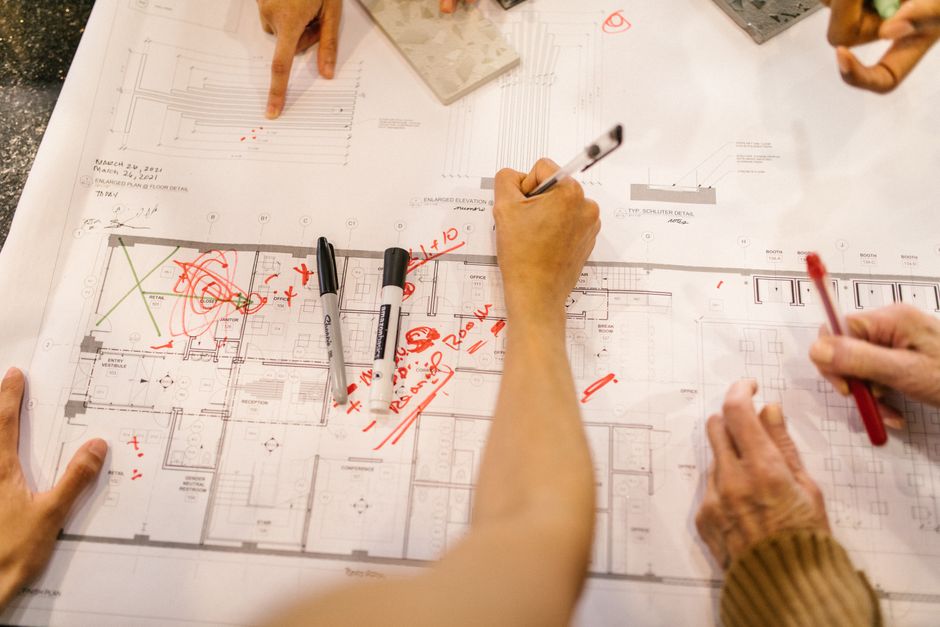
This section helps you make the bigger call before you commit to a path.
Remodel If the Layout Works and the Bones Are Solid
A remodel is often the right fit if:
- You like your neighborhood and lot.
- The existing footprint and room sizes can be improved without major structural changes.
- Your mechanical systems can support the upgrades with manageable updates.
Kitchens, bathrooms, basements, and whole-home renovations are common starting points.
Add on If You Need Space More Than You Need a Different House
An addition can be a good value if you need functional square footage, not just new finishes. Common addition scopes we build in Central Ohio include bump-outs, mudrooms, in-law suites, and second-story additions.
An addition also raises the bar for contractor selection. Matching rooflines, tying into existing structure, and coordinating mechanical systems takes experience.
If you're considering expanding, this guide breaks down typical options and planning decisions for the area: how Columbus homeowners plan home additions and remodels.
Rebuild or New Construction If You're Fighting the House at Every Turn
Sometimes the most cost-effective option is not a bigger remodel, especially if you're facing major structural changes, significant outdated systems, or a layout that can't be fixed without excessive compromise.
New construction is a different process with different risks. If that's on the table, you'll want a contractor who can manage the full sequence from foundation to finishes.
How We Recommend You Make the Final Call
Once you've narrowed to two or three contractors, don't rush the finish line. This is where a structured comparison saves you.
Use a Simple Scorecard
Create a one-page scorecard and rate each contractor 1 to 5 on:
- Scope clarity and written detail
- Allowances and selections realism
- Permitting and inspection plan
- Schedule realism and sequencing explanation
- Communication plan and point of contact
- Professionalism in the walk-through (on time, prepared, measuring, taking notes)
- Contract clarity (payment milestones, change order process)
The contractor with the best scorecard is usually the contractor you can live with for weeks or months while your home is under construction.
Don't Ignore the "Occupied Home" Factor
Many Columbus remodels happen while the homeowner is living in the house.
If that's you, prioritize contractors who talk proactively about:
- Daily cleanup
- Dust control and protection
- Work hours and access
- Safe pathways for kids and pets
- Temporary kitchen or bathroom planning
A slightly higher bid is often cheaper than living through chaos and rework.
What Working with Our Columbus Team Looks Like
We build and remodel across Columbus and Central Ohio, residential and commercial, from single-room remodels to additions and ground-up construction.
Our process stays simple so you always know what's next.
- Call us and tell us what you're planning.
- Schedule a free walk-through so we can see the space and talk through options.
- We measure and quote with a clear written estimate that matches the scope.
- We build with consistent communication, jobsite cleanup, and code-ready work.
If you want to talk through your renovation and get a written estimate, call (614) 905-4521. We serve Columbus, Dublin, Powell, Upper Arlington, Worthington, Bexley, Grandview Heights, Hilliard, Grove City, Reynoldsburg, and nearby Central Ohio communities.
Temas
- general contracting services columbus ohio

