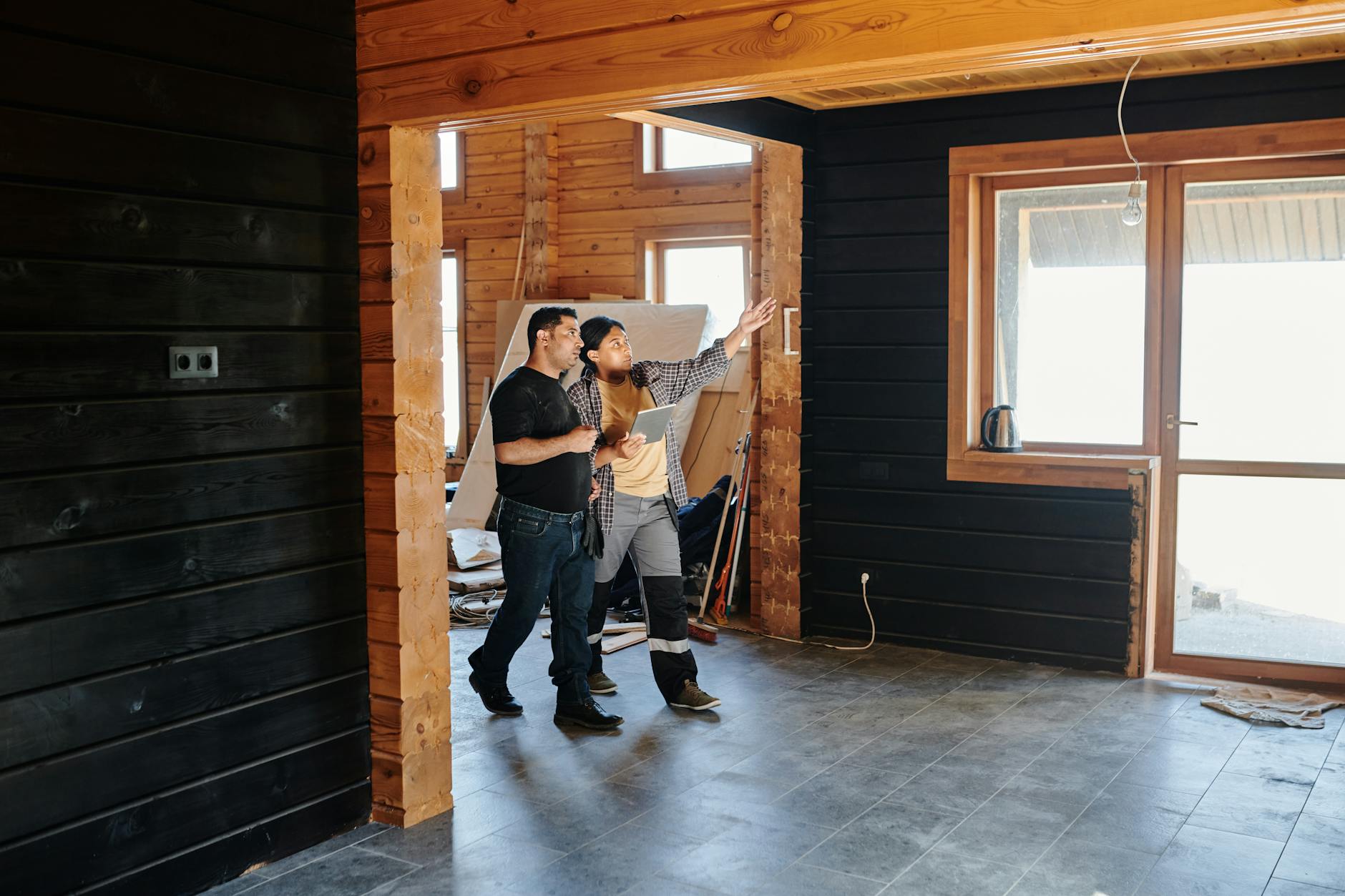
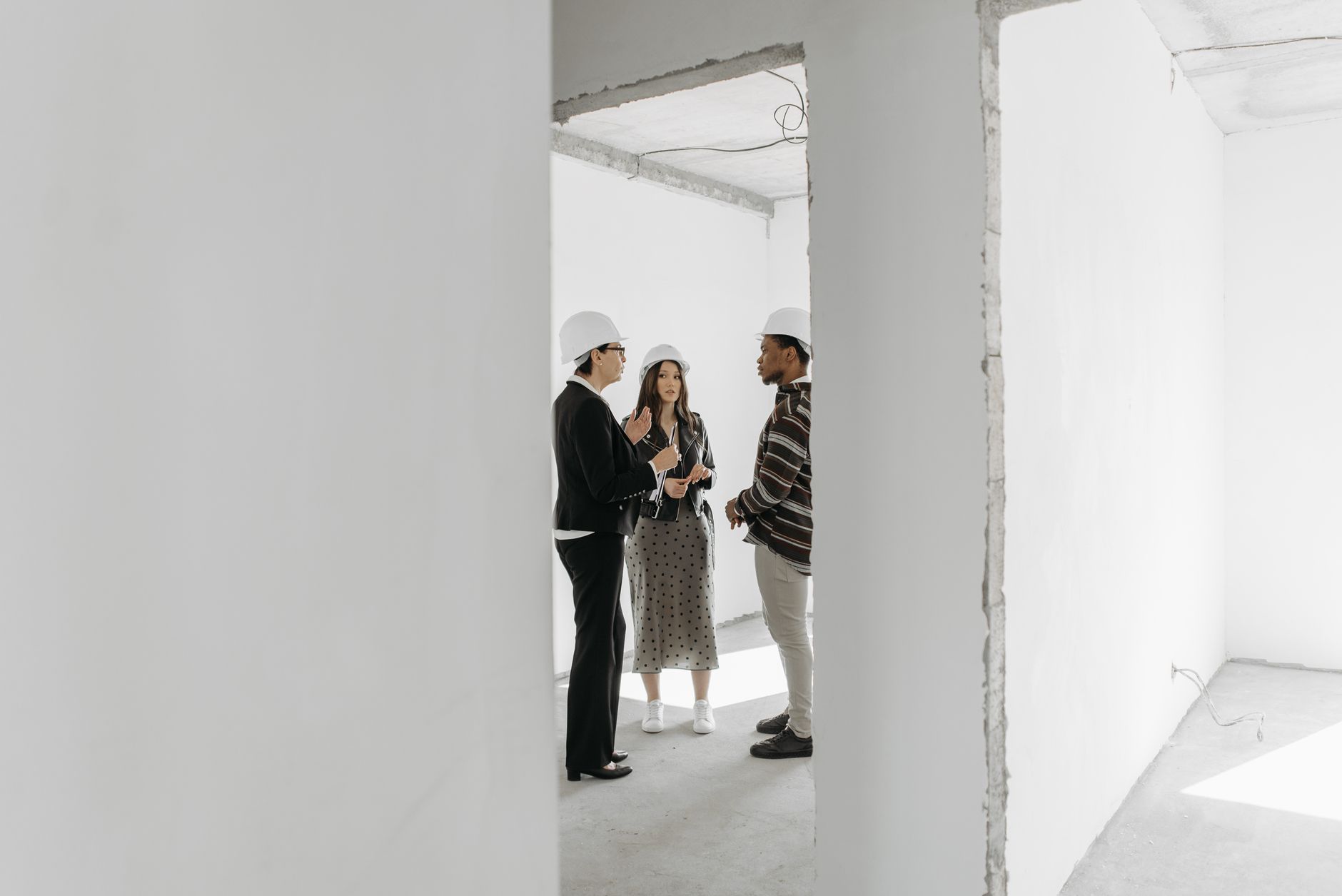
Most construction disappointments in Columbus don't start with bad taste in finishes, they start with a bad scope.
A custom home and a restaurant build can look similar on paper, framing, mechanicals, drywall, finishes. In real life, they fail in different ways. Homes go sideways on selections, change orders, and long lead items. Restaurants go sideways on permitting, inspections, and equipment coordination that has to be right the first time.
If you're searching for custom home builders columbus, you're usually trying to answer one thing fast: who can manage the whole build, keep you out of the weeds, and still hit a schedule that feels predictable. We build and remodel across Columbus and Central Ohio, residential and commercial, and this guide is how we'd help you think through the decision before you sign anything.
Start with the Real Fork in the Road: "Lifestyle Build" vs "Revenue Build"
Custom homes and restaurants are both personal projects, but they are driven by different risks.
A home is a lifestyle build. The job is successful when the house fits your daily routines, your storage, your light, your noise levels, your family growth, and your long-term maintenance comfort.
A restaurant is a revenue build. The job is successful when the space passes inspection, the kitchen functions under real service pressure, and you can open, staff, and serve without the building getting in the way.
That difference changes how you should choose a builder.
Choose a Builder Based on the Failure Mode
We advise clients to pick the contractor that is built around the kind of failure you can't afford.
For custom homes, the most expensive mistakes are usually:
- Layout decisions made too late, after rough-ins are underway
- Selections not finalized, causing delays and substitutions
- Poor coordination between trades, creating rework behind finished surfaces
- Under-scoped items, like trim, built-ins, stair details, or exterior tie-ins
For restaurants, the most expensive mistakes are usually:
- Health department issues or code conflicts discovered late
- Hood and make-up air sizing or routing problems
- Grease waste, floor drains, and mop sink placement that fails inspection
- Equipment cut sheets not coordinated with electrical and plumbing rough-ins
- Finish choices that look good but can't stand up to cleaning requirements
A builder who mainly does one category can still do the other, but your contract, schedule, and submittal process need to match your risk.
What "Full-Service" Should Actually Mean in Columbus
In Columbus, you'll hear a lot of companies describe themselves as full-service. The phrase is only useful if it translates to clear responsibilities.
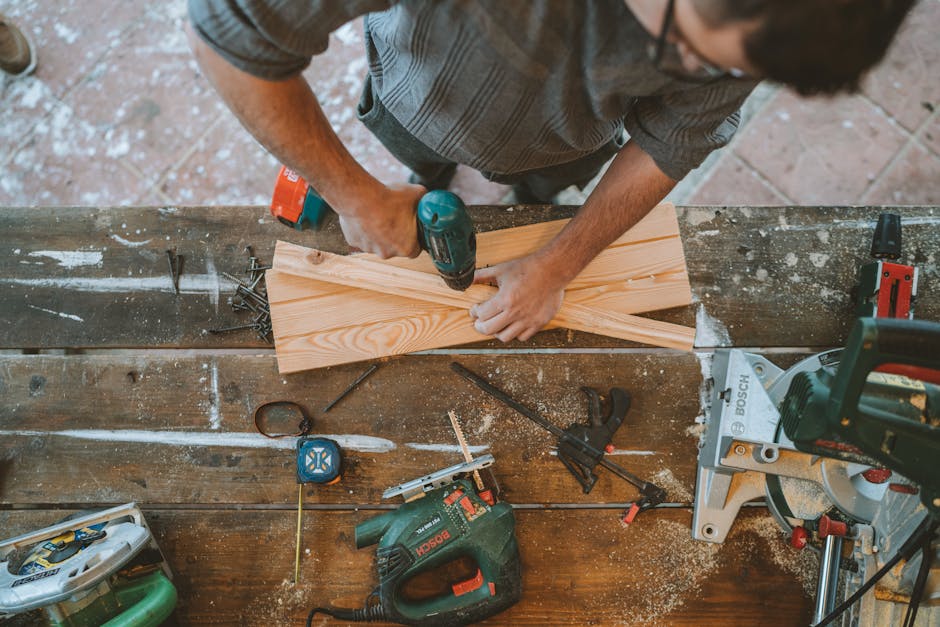
On our projects, full-service means we manage the whole chain, design coordination, demolition, framing, mechanicals, finish work, and final clean, with one point of contact and a written estimate that spells out scope.
That matters because the handoffs are where projects bleed time.
The Hand-Off Points That Make or Break a Project
If you want predictability, these are the transitions to listen for in a contractor's process.
- Pre-construction planning
- Rough-in coordination
- Inspections and close-in
- Finish sequencing
If you want a deeper look at how we structure this as a Columbus contractor, see Columbus general contracting services and how we manage a project end to end.
A Decision Framework That Works: Scope, Schedule, and Systems
If you're comparing builders, don't start with the mood board. Start with three questions that force clarity.
1) Scope: What Is Included, and What Is Assumed?
A strong proposal doesn't just list rooms or square footage. It defines what "done" means.
For a custom home build or major renovation, look for:
- Demolition and protection plan (dust control, flooring protection, access)
- Framing scope and structural notes (especially for additions)
- Allowances that are realistic, not placeholder numbers
- Who provides fixtures and appliances, and who installs them
- Paint levels, trim profiles, door hardware, and stair details
For restaurant construction or remodeling, look for:
- Who is responsible for drawings and revisions when field conditions change
- Equipment coordination (cut sheets, utility requirements, clearances)
- Plumbing scope for grease waste, floor sinks, and backflow needs
- HVAC scope that matches the kitchen load, not just the dining room comfort
- Fire-rated assemblies and penetrations handled correctly and documented
If a proposal is light on scope, the job will be heavy on change orders.
2) Schedule: What Has to Be Decided Before the First Day?
Schedules slip for two reasons: decisions or deliveries.
For homes, the biggest schedule drivers are usually selections. Cabinets, windows, specialty tile, and custom millwork can stretch lead times, and Columbus supply chains still fluctuate depending on product category.
For restaurants, schedule drivers are inspections and long-lead equipment.
Before you sign, ask for a schedule that identifies "owner decisions due" dates and submittals. It's not about being rigid, it's about knowing what you have to decide early to protect the timeline.
3) Systems: Who Owns the Details Behind the Walls?
A beautiful finished space can still be a problem if the systems weren't planned.
For homes, "systems" often means:
- HVAC design that actually balances the house
- Bathroom exhaust and moisture management
- Electrical planning for lighting layers, not just outlet counts
For restaurants, "systems" often means:
- Proper kitchen ventilation and make-up air coordination
- Hot water capacity planning
- Power distribution that fits equipment reality
In both categories, the builder's job is to make sure the systems support the way the space is used.
Worked Example: Two Columbus Projects, Two Different Paths to "on Schedule"
The most practical way to compare home building and restaurant construction is to walk through how the same "finish date" pressure plays out.

Below is an example framework we use in planning. It's not a promise of your exact timeline, because every job depends on scope, permitting, and selections, but it shows where the real time goes.
Scenario a: Custom Home Build with High-Finish Selections
You have plans for a custom home in Central Ohio. You also know you want a specific cabinet line, large-format tile, and statement lighting.
The schedule risk is not the framing. It's decision timing.
We typically push three steps early:
- Selections meeting before rough-ins
- Window and exterior door ordering early
- Finish mock-ups and field verification
The trade-off is simple. The more you lock in early, the less flexible you are midstream, but the more protected your schedule becomes.
Scenario B: Restaurant Build-Out with a Fixed Opening Date
You're building a restaurant in Columbus, maybe in a high-traffic area like Short North, Grandview Heights, or near downtown, and your lease clock is running.
The schedule risk is not your paint color. It's approvals and coordination.
We focus early on:
- Permit-ready scope and submittals
- Equipment coordination meeting
- Inspection planning
The trade-off here is different. Restaurants often need speed, but speed without documentation creates failed inspections and rework. The fastest restaurant openings we see are the ones that do the coordination upfront.
Permits, Codes, and Inspections: What You Can Verify in Ohio
Permitting and code compliance are not optional details, especially on commercial spaces.
In Columbus, commercial projects may involve plan review, multiple inspections, and coordination with local departments depending on scope.
A legitimate contractor should be comfortable describing how they handle permits and inspections, even if you (or your architect) are the permit applicant.
For readers who want to verify the baseline rules, these are reputable starting points:
- Ohio building code framework and adoption: Ohio Board of Building Standards
- General building permit guidance in the city: City of Columbus Building and Zoning Services
- Food service licensing and inspection oversight in Ohio: Ohio Department of Health, Food Safety Program
We don't treat these as paperwork hurdles. We treat them as schedule items, because that's what they become if they're not managed.
Budget Reality: How to Compare Apples to Apples Without Chasing the Lowest Number
The most common budgeting mistake we see is comparing quotes that don't share the same scope.

If one builder carries realistic allowances and another keeps allowances low to win the job, you don't actually have two prices. You have one price and one starting point.
What to Ask for in a Quote
To compare bids, require the same structure from each contractor.
- A written scope that identifies what is included and excluded
- A clear allowance list (cabinets, flooring, tile, fixtures, lighting)
- A change order process explained in plain language
- A schedule outline, even if it's preliminary
- Proof of licensing and insurance (Ohio requirements vary by trade and jurisdiction, but you can and should ask)
We also recommend you ask who will be your day-to-day contact. Good project management is not a line item, it is the difference between progress and confusion.
A Non-Obvious Trade-Off: Flexibility Costs Money, Even If Nothing Changes
Many owners want maximum flexibility, "we'll decide that later," "we'll see what it looks like," "we might move a wall."
That flexibility has a real cost because it forces the project to carry unknowns longer. Unknowns mean:
- Trades can't sequence efficiently
- Materials can't be ordered with confidence
- Inspections can't be scheduled tightly
For homes, that usually shows up as delays and premium-priced rush orders.
For restaurants, it can show up as a missed opening window, which can be more damaging than the cost of the build-out itself.
Picking the Right Partner in Columbus: the Questions We'd Want You to Ask Us
A good contractor is not just a skilled builder. They are a communication system.
If you're evaluating a team for a custom home, an addition, a restaurant remodel, or ground-up restaurant construction in Columbus, use questions that force specifics.
Questions That Reveal Process (Not Marketing)
- Who is my point of contact from walk-through to final punch list?
- What do you need from me before you can give a written estimate?
- How do you handle selections and lead times so the schedule stays realistic?
- What does your day-to-day jobsite communication look like?
- How do you price and approve changes?
Questions That Reveal Commercial Readiness
For restaurants and other places of business, ask:
- How do you coordinate kitchen equipment utilities before rough-ins?
- How do you plan for inspections so we don't lose time at close-in?
- What finishes do you recommend for durability and cleanability (and what do you avoid)?
If your contractor can't answer those clearly, it usually means the plan is to figure it out later.
Where This Applies in Central Ohio (and Why Local Experience Helps)
Construction is local. Details that look small on paper become big in the field.
We work throughout Columbus and Central Ohio, including Dublin, Powell, Upper Arlington, Bexley, Worthington, Westerville, Hilliard, Grandview Heights, Clintonville, and nearby areas.
Local experience matters because:
- Permit processes and inspection expectations vary by jurisdiction
- Older neighborhoods (like parts of Clintonville and Upper Arlington) often have existing conditions that change the plan once walls open
- Commercial spaces can have legacy mechanicals, unknown utilities, or structural limitations that require fast, correct decisions
If you're still comparing options, it can help to see how we approach custom residential work specifically. Start with our guide to custom home construction in Columbus and how additions and finishing fit together.
Our Straightforward Path: Call, Walk-Through, Written Estimate, Build
A good project starts with clarity, not pressure.
Our process stays consistent whether you're planning a custom home in Columbus, a whole-home renovation in Dublin, or a restaurant build-out in Grandview Heights.
- Call us
- Request an estimate
- Measure and quote
- Build
Christopher Construction is fully licensed in Ohio and insured, including general liability and workers' compensation.
If you're planning a custom home or restaurant construction in Columbus, call (614) 905-4521. We'll walk the project, talk through options and trade-offs, and put a clear estimate in your hands.
Topics
- custom home builders columbus