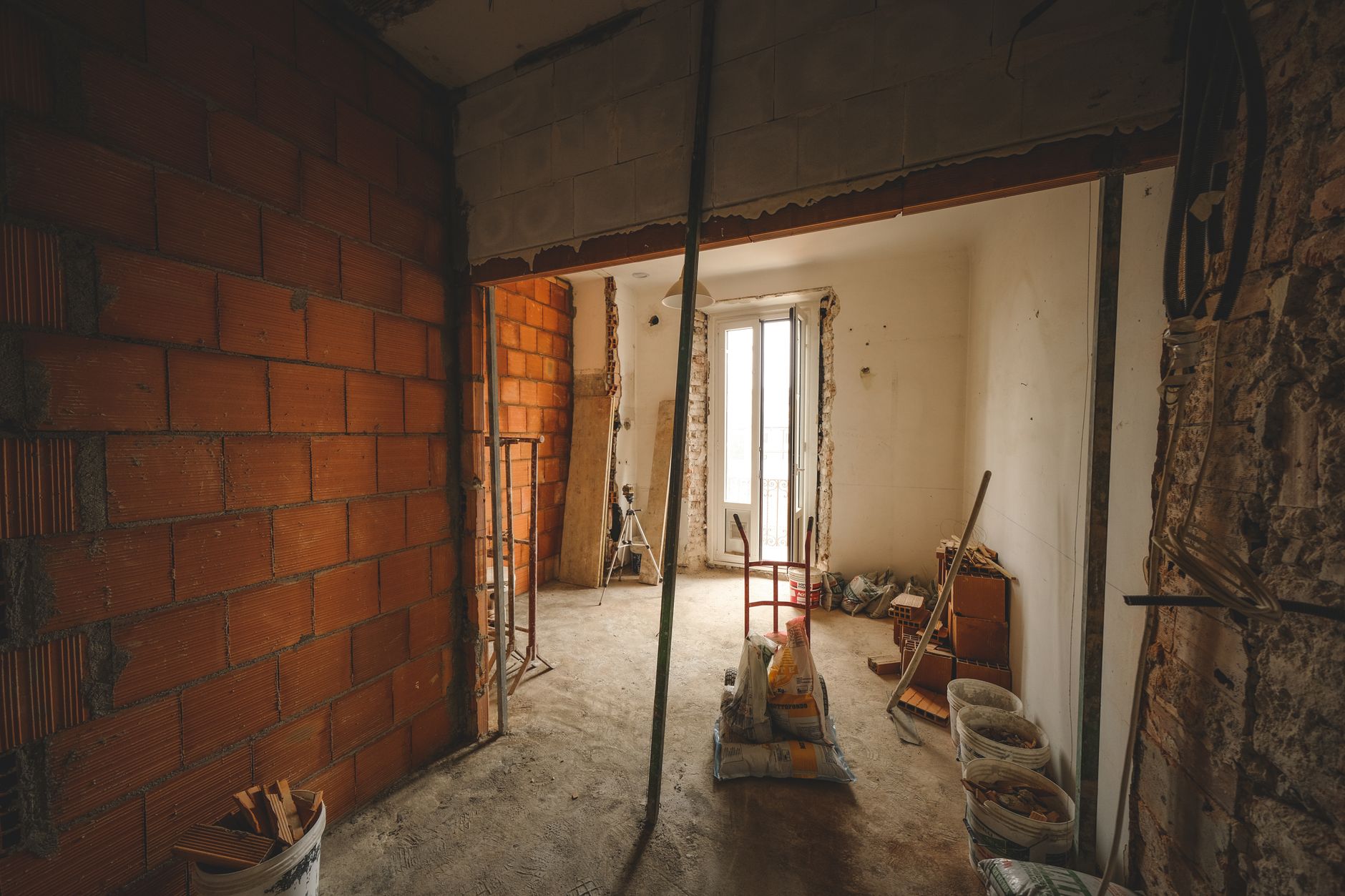
A dining room floor usually fails quietly, until it doesn't. You'll see it first in the light, a worn "track" from the host stand to the bar, a dull patch under the server station mat, or a sticky-looking sheen that never seems to mop clean.
If you're searching for hardwood floor refinishing contractors, you're likely trying to solve a very specific business problem, refresh the guest experience without shutting down for long, and do it in a way that stays to code and holds up to traffic. This guide walks through what refinishing actually involves in a working restaurant, how to plan downtime, and how to make smart choices on sheen, finish type, and scope so you don't pay twice.
We're Christopher Construction, based in Columbus, Ohio. We manage remodels, additions, and commercial projects across Central Ohio, including restaurants and bars in areas like Short North, Grandview Heights, Dublin, Upper Arlington, Worthington, and Westerville. Floors are rarely "just floors" in a restaurant, they touch your schedule, inspections, safety, and the first impression every guest forms before they even sit down.
Decide First: Refinish, Replace, or Cover
Refinishing is a great tool, but it's not always the right one. The quickest way to avoid budget surprises is to decide which category your floor is in before anyone starts promising a one-week turnaround.
Here's the decision framework we use on walk-throughs in Columbus.
Choose Refinishing If the Wood Is Structurally Sound
Refinishing makes sense when the floor is solid and the "ugly" is mostly at the surface.
Refinish is usually the right call when you have:
- Wear patterns, dullness, light cupping, or shallow scratches
- Old finish that's ambered or blotchy, but the boards are stable
- Minor gaps consistent with seasonal movement
- A floor thick enough to sand (especially true for many older Columbus buildings with solid hardwood)
The goal is simple, sand to clean wood, then rebuild the protection layer with a finish that matches restaurant reality.
Choose Replacement If the Floor Is Failing Below the Surface
Replacement can be less disruptive long-term if refinishing won't actually fix the core problem.
Replacement tends to win when you have:
- Boards that are delaminating (common with some engineered products)
- Deep black staining from long-term moisture, repeated spills, or leaks
- Significant unevenness, bounce, or subfloor problems
- Previous sandings that left the wear layer too thin to safely sand again
If you're also moving walls, changing the bar, or reworking the kitchen line, replacement can be easier to coordinate inside a larger remodel.
Choose Covering (Temporary or Permanent) If Downtime Is the Constraint
Sometimes the floor's not the priority, the calendar is. If you can't close long enough for sanding and curing, a high-performance covering may be the only viable option until a slower season.
Covering options can include:
- Commercial-grade LVP in a full renovation scope
- Stained concrete (if the slab and moisture conditions support it)
- A staged plan where you refinish one zone at a time
We'll be direct on this point: "No closure, no odor, and ready for tables tomorrow" doesn't describe real refinishing. It describes a different product choice.
Transitioning from this decision is where many restaurant owners lose time. The best move is to match the floor strategy to your business strategy for the next 3 to 5 years, not just the next health inspection.
What Restaurant Hardwood Floor Refinishing Really Includes (and What It Doesn't)
Restaurant owners often get quotes that sound similar, until you compare what's included. One crew may be pricing a light screen-and-recoat, another may be pricing a full sand-down to bare wood. Those are different projects with different risk and durability.

Scope Option 1: Screen and Recoat (Fastest, Most Limited)
This is a maintenance refresh. The contractor abrades the existing finish and applies new finish on top.
It works when:
- The floor is not stained through the finish
- There are no deep scratches cutting into the wood
- You mainly want more protection and a cleaner look
It does not work when:
- The finish is peeling or flaking
- There's widespread discoloration
- You need to change stain color
A screen-and-recoat can be a smart "keep it going" move if you plan it before the floor looks terrible.
Scope Option 2: Full Sand and Refinish (Most Transformative)
This is what most people mean by refinishing. The floor is sanded down to raw wood, then stained (if desired) and finished.
Expect a full refinish to include:
- Protection of adjacent areas (plastic, containment, vent covers as needed)
- Sanding steps that level the surface and remove old finish
- Edge sanding and detail work around toe-kicks, thresholds, and built-ins
- Repairs where boards are loose or damaged (as scope allows)
- Stain sampling (ideally) and final finish coats
If the restaurant is occupied in nearby areas, dust control and airflow planning matter as much as the sanding itself.
What's Commonly Excluded, Unless You Ask
Many misunderstandings come from what wasn't stated.
A refinishing quote may exclude:
- Moving tables, booths, bars, POS counters, or heavy equipment
- Replacing baseboards, shoe molding, or damaged trim
- Fixing subfloor squeaks or leveling issues under the hardwood
- Transitions to tile, carpet, or kitchen quarry tile
- After-hours work or accelerated schedules
If you want the contractor to own the schedule and logistics, spell it out. A restaurant floor isn't a living room. It's an operating system for your service.
Planning the Downtime: a Realistic Timeline You Can Build Around
Restaurant owners don't just need a "how long." You need an operating plan. That means knowing when you can walk on the floor, when you can move furniture back, and when you can reopen without risking a tacky finish or permanent dents.
The Three Time Buckets That Matter
- Active work time
Sanding, repairs, stain (if used), and finish coats.
- Cure and hardening time
Floors often feel "dry" before they're truly hardened. That gap is where damage happens, chair legs imprint, bar stools twist, and mats bond to soft finish.
- Recommissioning time
Moving tables back, reinstalling floor protection, resetting the dining room, and doing a final clean.
A good schedule includes all three. A risky schedule pretends only the first one exists.
Worked Example: a Two-Zone Dining Room Refresh
Here's a common scenario we see in Columbus, especially in tight footprints in the Short North or older buildings near Downtown where every day closed hurts.
Scenario: You have a dining room plus a bar area, and you can operate with a reduced footprint for part of the week.
Plan: Stage the refinishing in two zones, with clear separation and a realistic reopening threshold.
- Pre-week planning (before the crew arrives)
- Zone A (first closure window)
- Zone B (second closure window)
- Reopen threshold
This staged approach is not always possible, but when it is, it can reduce full shutdown time. The trade-off is more mobilization complexity and more attention needed at the "seam" between zones.
If you're already planning a larger renovation, it's often smarter to roll the floor into that schedule so trades are not stepping on fresh finish.
For restaurants planning a broader build-out or rework, our guide to choosing restaurant renovation contractors in Columbus helps you line up scope, permits, and sequencing so the floor doesn't become the bottleneck.
Choosing Finishes for Restaurants: Durability, Safety, and the Look Guests Notice
Restaurant floors don't just need to look good. They need to survive chairs, grit, spills, wet mops, and the reality that someone will drop a glass on Friday night.

Sheen Level: the Non-Obvious Guest Experience Lever
Most owners focus on color. In restaurants, sheen can matter more than color because it changes what guests see and what staff has to maintain.
- Gloss shows everything, scratches, swirl marks, and mop streaks. It can look great on day one and frustrating by week three.
- Semi-gloss is still reflective and more forgiving than gloss, but it will highlight traffic lanes.
- Satin is often the sweet spot for restaurants, it reads clean, photographs well, and doesn't spotlight wear as aggressively.
- Matte hides wear well, but in some lighting it can read "dusty" if cleaning isn't consistent.
If your restaurant has strong window light (common in parts of Grandview Heights, German Village, and many Columbus storefronts), satin is typically a safer bet than high-gloss.
Stain Color: Match It to Lighting and Brand, Not Trends
A dark stain can look sharp, but it also shows lint, dust, and salt residue. Lighter stains can make a space feel bigger, but they can also highlight dark spill spots if maintenance slips.
We recommend sampling stain in the actual space. Restaurant lighting changes across the day, brunch sun is different than dinner lighting.
Slip Resistance and Code Reality
Flooring in commercial spaces is tied to safety. Owners should pay attention to slip resistance and how cleaning products interact with the finish.
If you need to reference the baseline framework used in building codes for walking surfaces, the International Building Code (IBC) resources from ICC are the right place to start. Your local requirements and inspection expectations can vary, so treat this as a starting point, not a final answer.
Practical steps that help reduce slip issues after refinishing:
- Choose a sheen that doesn't create glare and "wet-looking" reflections.
- Use entry mats that actually stay in place and don't trap grit underneath.
- Avoid waxes or polishes that weren't designed for your finish system.
- Keep chair and stool feet maintained so they don't gouge the finish (gouges collect grime and can get slick).
If your floor is in a bar area where spills are routine, the finish system choice and your cleaning routine have to match.
Water-Based vs Oil-Based Finishes (Trade-Offs That Matter)
The best choice depends on your timeline, ventilation, and desired appearance.
In plain terms:
- Water-based finishes generally cure faster and have lower odor, which can matter in mixed-use buildings and tighter Columbus footprints.
- Oil-based finishes can produce a warmer tone and have a long track record, but odor and dry times can be harder to manage around service.
Your refinishing contractor should explain what system they use, how many coats, and what the reentry rules are for socks, shoes, tables, and floor mats.
Hiring Hardwood Floor Refinishing Contractors: What to Ask Before You Sign
A restaurant floor is not a weekend project. Hiring the right hardwood floor refinishing contractors is less about the lowest number and more about who can protect your schedule and give you a finish that stays looking good under real traffic.
The Bid Checklist We Recommend for Restaurant Owners
Bring these questions to your walk-through. A good contractor will answer them clearly, in writing.
- What scope are you pricing, screen-and-recoat or full sand and refinish?
- What finish system will you use, and what are the cure rules? Ask about shoes, furniture placement, mats, and cleaning for the first weeks.
- How will you manage dust and ventilation? Restaurants have open shelving, glassware, bar wells, and equipment that dust loves.
- What's the plan for thresholds and transitions? Doorways, restroom entries, and bar edges are common failure points.
- Who moves furniture and built-ins? Clarify what you handle and what the crew handles.
- What work hours can you support? If you need nights or tight windows, confirm it before the quote.
- How will changes be handled? Restaurants often uncover hidden damage once sanding starts. You want a clear change-order process.
Red Flags That Usually Cost You Later
Be cautious when you hear:
- "We can refinish without any dust."
- "You can open the next morning, no problem," without clear finish specs.
- "We'll figure out the repairs as we go," with no allowance or process.
- Quotes that don't specify coats, product, sheen, or what "ready" means.
Your floor is one of the most visible surfaces in the building. A cheap refinish that fails quickly becomes a bigger disruption than doing it right the first time.
How We Fit in at Christopher Construction
We're a Columbus general contracting team. For restaurants, that means we can manage the refinishing as a stand-alone scope or coordinate it inside a larger remodel, framing, bar work, restrooms, lighting, paint, and the final clean.
One point of contact matters when multiple trades touch the same space. It keeps the sequence clean and reduces "not our job" gaps.
If you're comparing providers more broadly in Central Ohio, you may also find our article on construction companies in Columbus, Ohio for finishing and renovation projects useful for understanding how scope, scheduling, and project management differ across contractors.
Protecting the Investment: Maintenance Rules That Keep the Floor Looking New
A restaurant floor wears out from grit, moisture, and friction. Refinishing resets the surface, but daily habits determine how long it stays sharp.
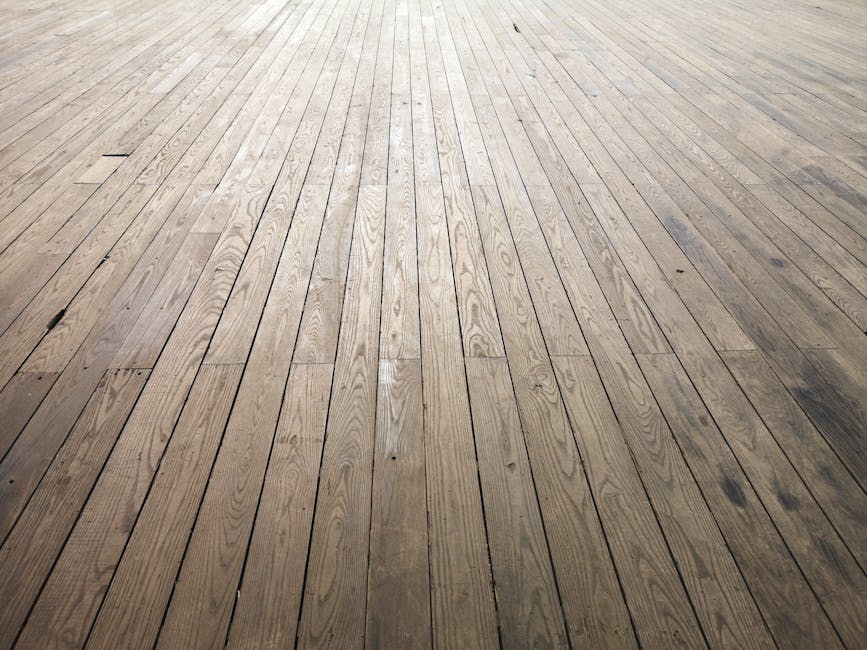
The First 30 Days: Where Most Damage Happens
New finish is vulnerable early. Even if it feels dry, it may not be fully hardened.
We typically recommend:
- Install felt or soft glides on chair and stool feet before moving them back.
- Don't drag tables, lift and place.
- Avoid rubber-backed mats until the finish system allows them, some mats can trap moisture or bond to curing finish.
- Use cleaning products approved for your finish type, avoid harsh degreasers on wood unless the manufacturer allows it.
Your refinishing contractor should give you a simple do and don't sheet. If they don't, ask for it.
Daily and Weekly Practices That Matter
Most of the long-term look comes down to grit control and moisture control.
- Entry mats: Use them at every exterior door and clean them often. Grit is sandpaper.
- Dry dusting: Frequent dry dust mopping reduces scratching from tracked-in debris.
- Damp mopping: Wood and standing water don't mix. Use a damp method, not a soaking wet mop.
- Spill response: Clean spills quickly, especially acidic liquids and alcohol.
Plan for Periodic Refresh, Not "Wait Until It's Ruined"
Many restaurant owners can extend the life of the floor by doing a screen-and-recoat before the finish wears through to bare wood.
A simple rule: if you can see raw wood or dark wear in the traffic lanes, you're usually past the easy maintenance stage.
If you build that refresh into your slower season planning, you reduce the odds of an emergency closure driven by appearance or safety.
FAQ Restaurant Hardwood Floor Refinishing
Can We Keep the Restaurant Open During Refinishing?
Sometimes, with staging. If your layout allows a true separation between zones and you can operate with reduced seating, a phased plan can work. Full sand-and-refinish in an open dining room while serving is rarely realistic because of dust, noise, and cure time.
How Do We Minimize Odor and Disruption in a Mixed-Use Building?
Start with the finish system choice and ventilation plan. Water-based systems are often easier to manage for odor and return-to-service timing, but the contractor still needs containment and airflow planning. If you share walls with neighbors (common in Columbus storefronts), communicate early.
What's the Biggest Mistake Restaurant Owners Make with Refinished Floors?
Reopening too early with furniture and mats. Chairs and bar stools can dent or twist the finish before it's hardened, and some mats can trap moisture or bond to the surface. A one-day gain in reopening can cost months of appearance.
Do We Need to Move All Furniture and Equipment?
Usually yes for a full refinish, at least in the active work zone. If you have heavy built-ins or fixed booths, the contractor should plan edge work and discuss whether the floor under those areas will remain as-is.
Ready to Refresh the Dining Room Floor Without Guesswork?
If your restaurant in Columbus, Dublin, Upper Arlington, Worthington, or Grandview Heights needs a floor that looks better, cleans easier, and holds up to service, we can help you plan it.
Call Christopher Construction at (614) 905-4521 to schedule a walk-through. We'll look at the floor condition, talk through operating constraints, and put a clear written estimate and timeline in front of you, with no pressure and no surprises.
Topics
- hardwood floor refinishing contractors